





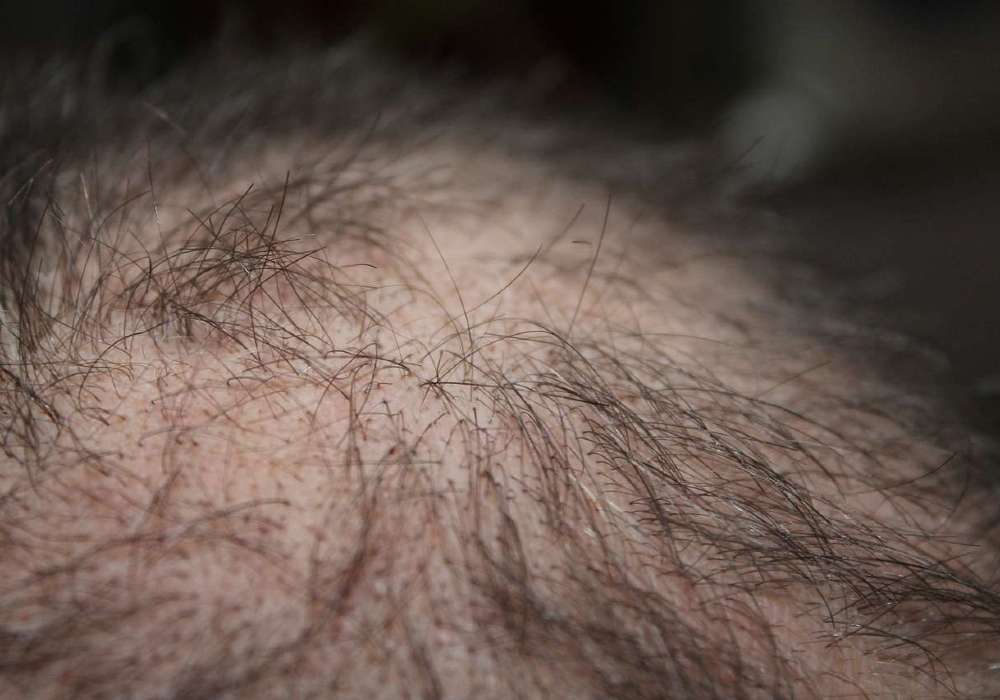
Hair loss is a widespread problem affecting people of all ages, impacting both men and women equally. The health of our hair plays a vital role in our self-confidence and overall well-being. But what are the causes of hair loss, and how can we prevent it? In this blog post, we will delve into these questions and discuss preventative measures and treatment options for maintaining healthy, full hair.
Understanding the causes of hair loss
Hair loss can be caused by a variety of factors, including genetic predisposition, hormonal changes, stress, an unhealthy diet, certain medications, and illnesses such as thyroid problems or iron deficiency. In men, genetically determined hair loss, also known as androgenetic alopecia, is the most common cause. In women, hormonal changes, particularly during pregnancy or menopause, can lead to hair loss. Identifying the underlying causes of hair loss is important in order to initiate appropriate treatment.
Hair care and the right products for thinning hair
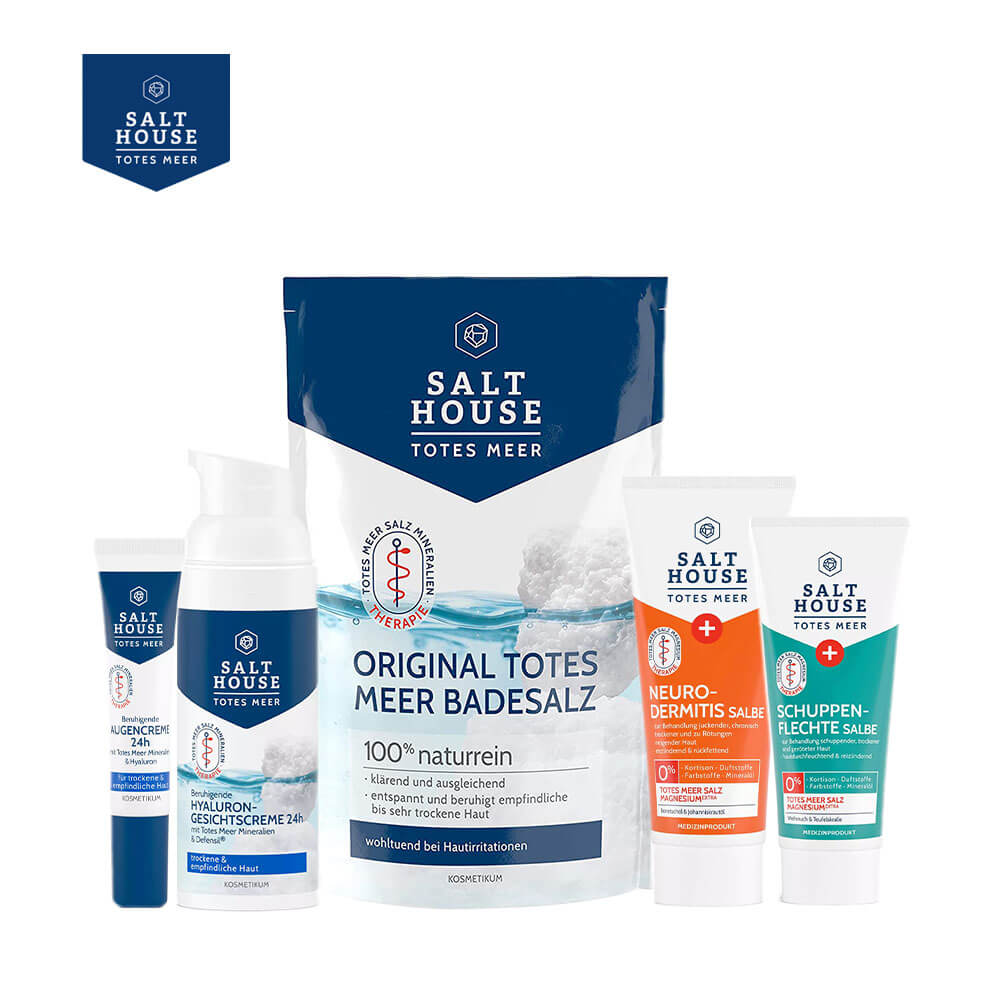
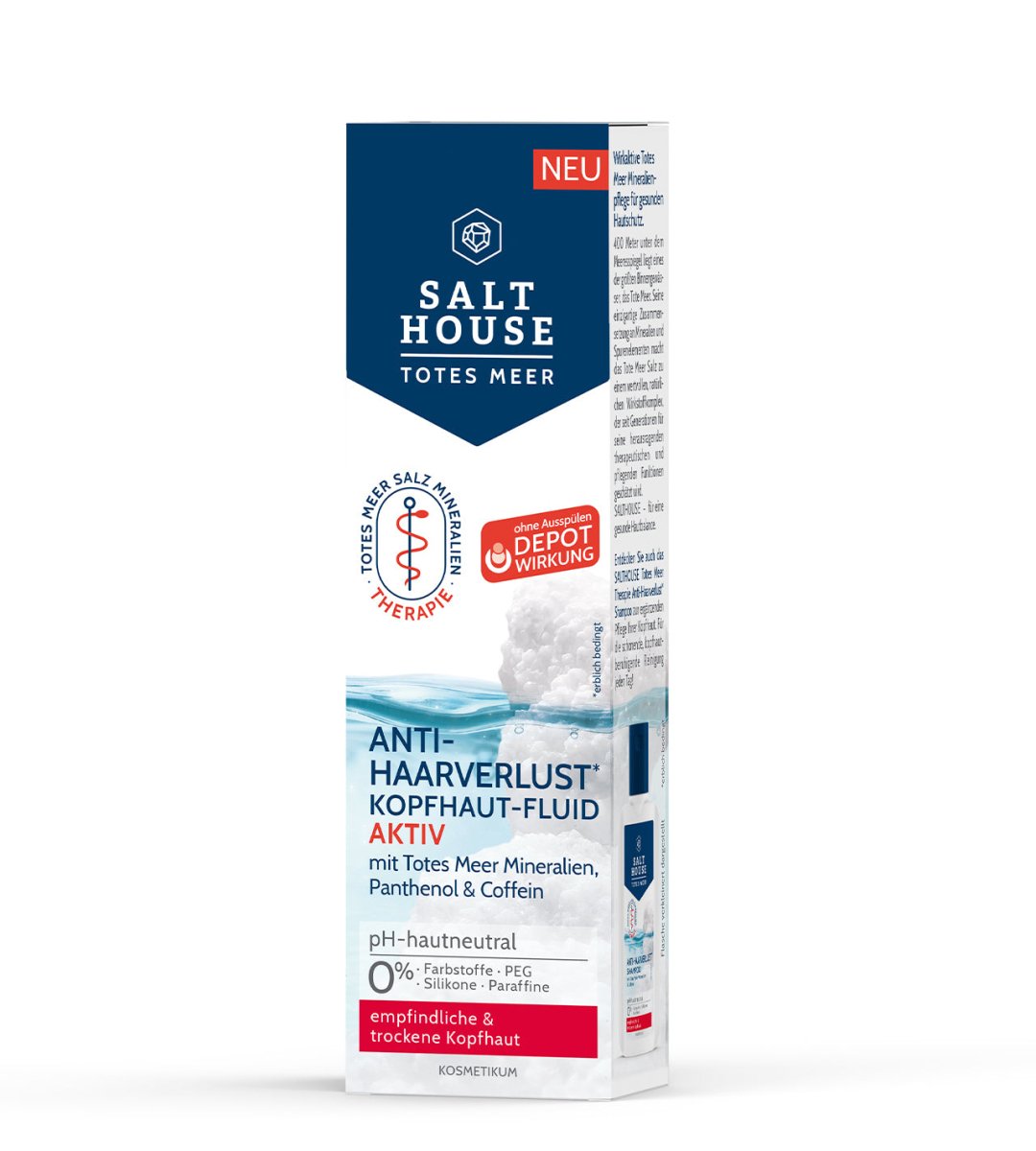
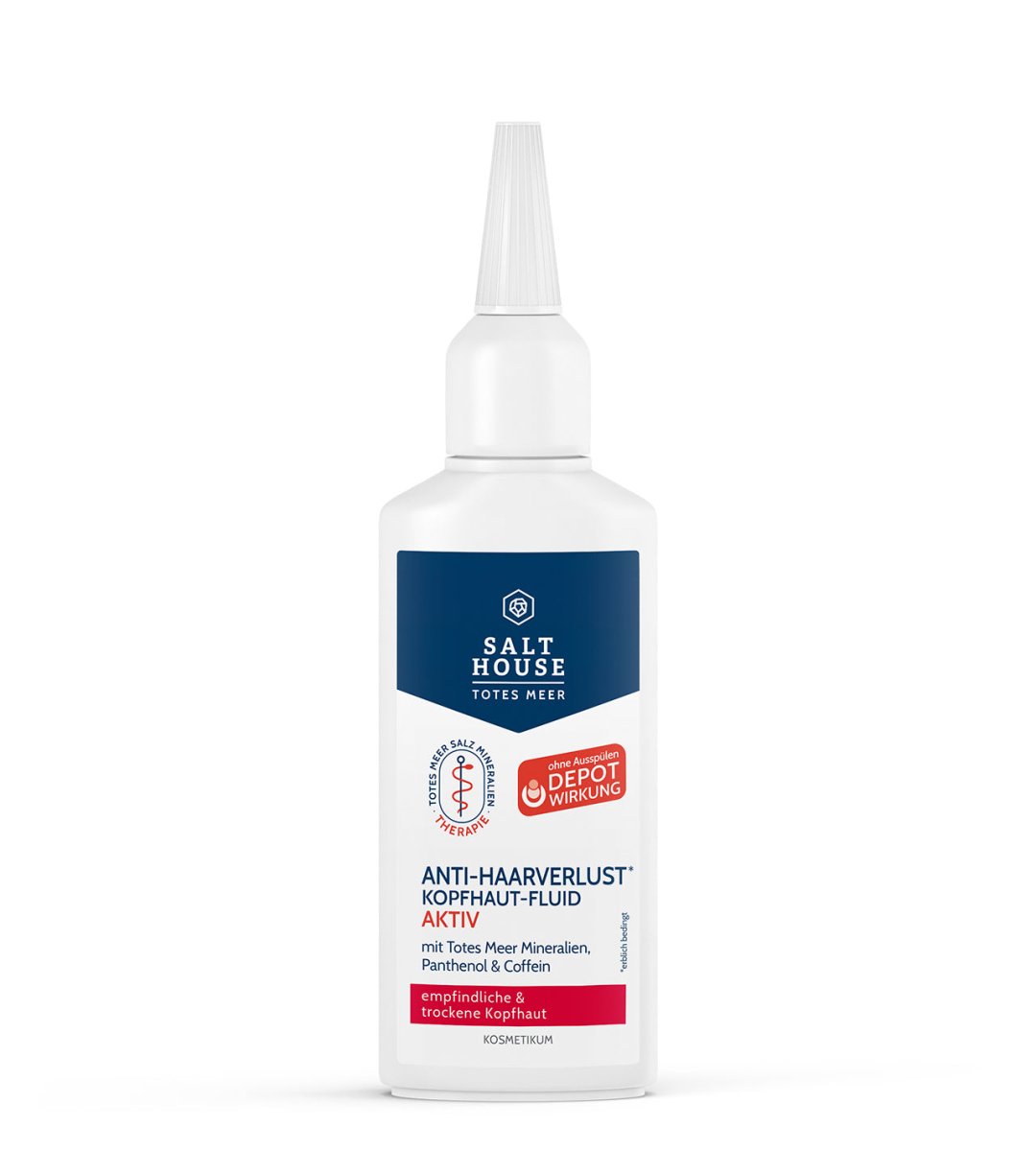
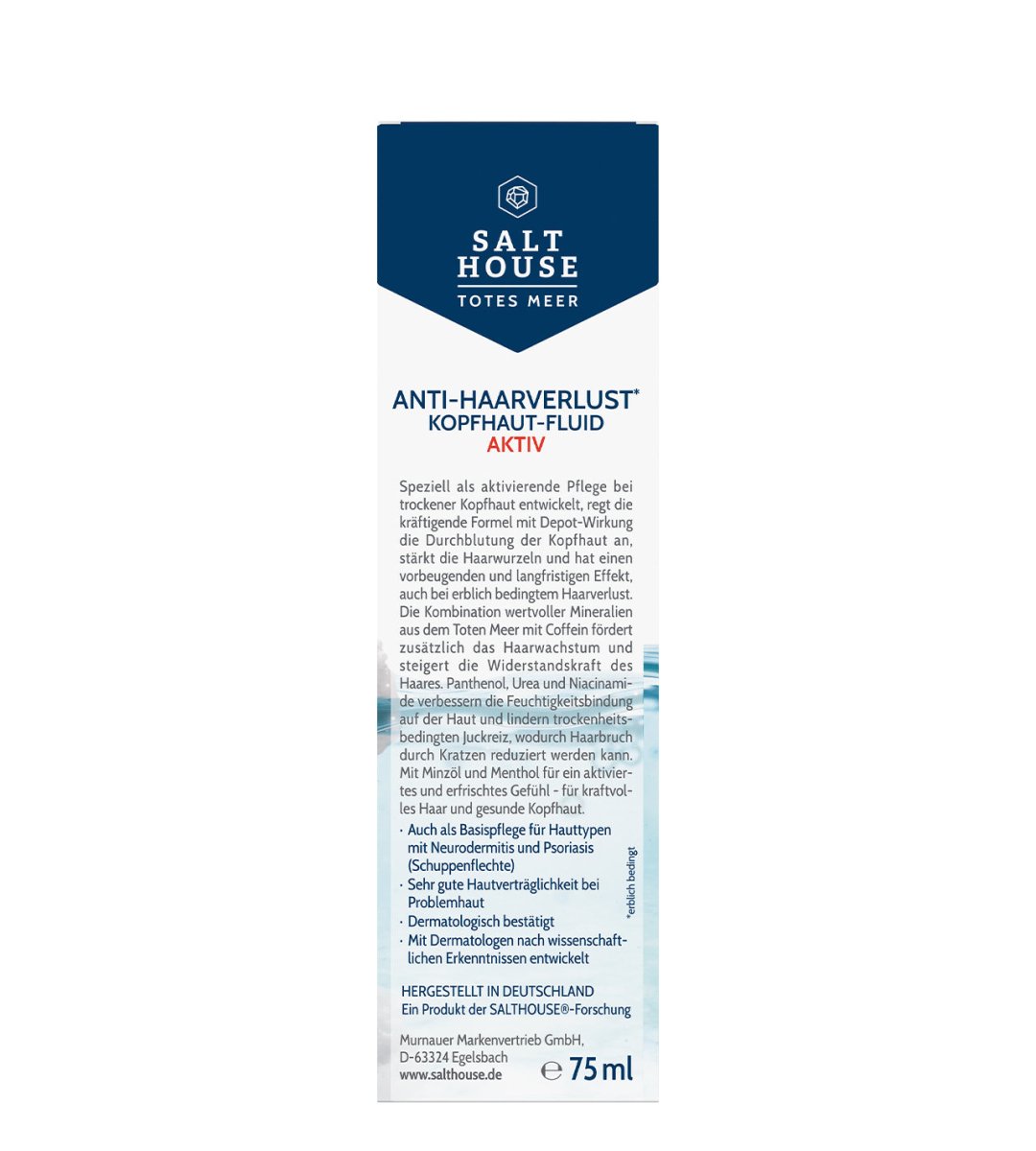
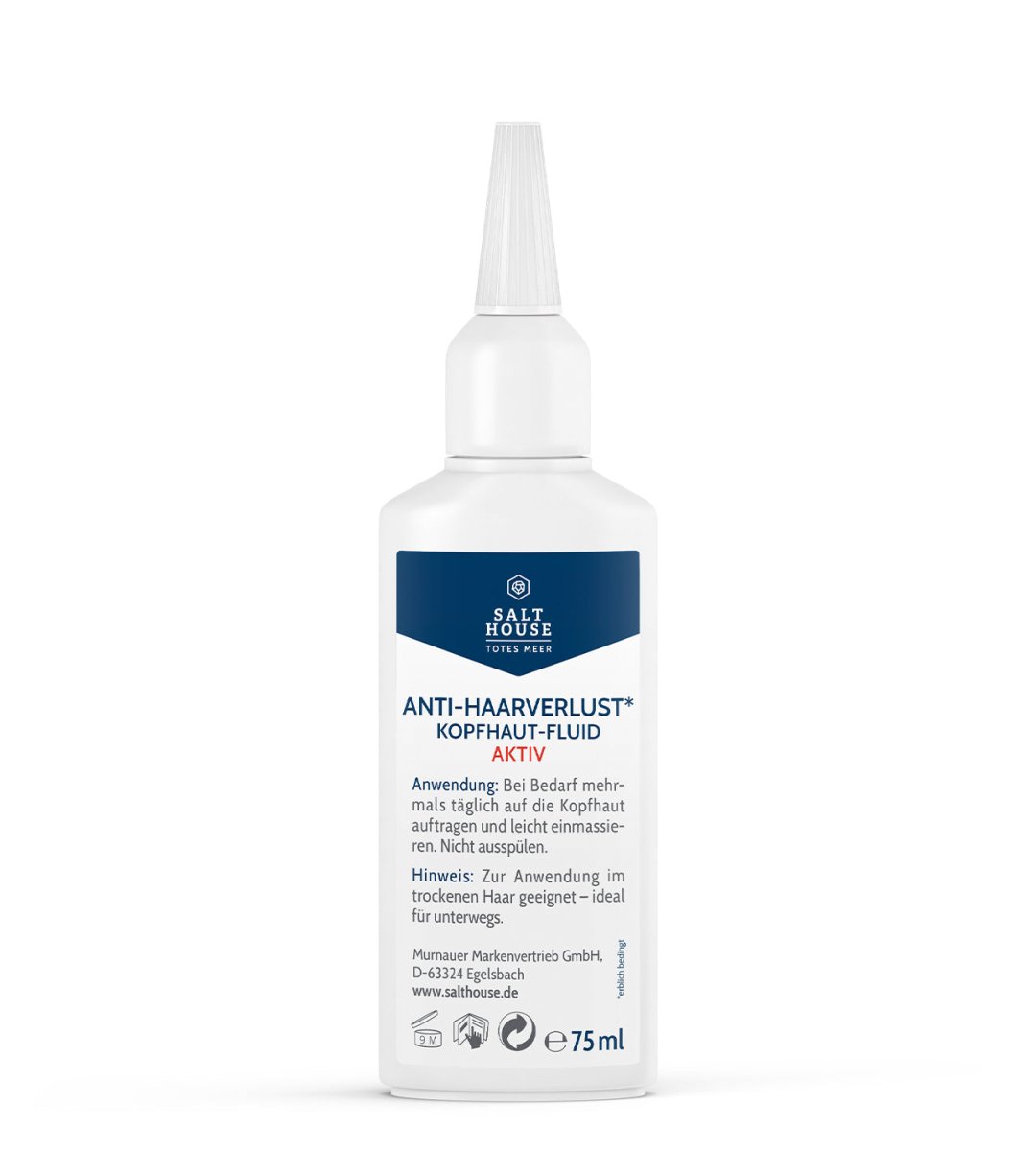
If your hair is thinning, it's important to adjust your hair care routine. Products with nourishing ingredients like biotin or keratin can strengthen the hair structure and help prevent hair loss. Avoid harsh chemicals and opt for mild, sulfate-free shampoos. These cleanse your hair gently without causing damage. Feel free to check out our products specifically designed for this purpose, such as... Anti-hair loss scalp fluid or that Anti-hair loss shampoo the company Salthouse.
Another good strategy is to regularly massage your scalp to promote blood circulation. This can stimulate hair growth. Additionally, you should avoid brushing or styling your hair too vigorously to prevent mechanical stress.
Remember that a balanced diet also plays a role. Vitamins and minerals such as iron, zinc, and vitamins A and E are important for healthy hair growth. If hair loss persists, it's advisable to consult a dermatologist to determine the cause.
Healthy nutrition for strong hair
A healthy diet plays a key role in the fight against hair loss. Certain nutrients such as proteins, vitamins, and minerals are essential for strong hair growth.
Proteins, the building blocks of hair, are found in fish, chicken, lentils, and nuts. Iron, which supports oxygen transport to the hair follicles, is abundant in spinach and red meat.
Vitamin A, which is important for sebum production, can be obtained from carrots and sweet potatoes. B vitamins, especially biotin, can promote hair growth and are found in eggs, avocados, and whole-grain products.
Zinc, important for the growth and repair of hair tissue, is found in pumpkin seeds and lentils. Omega-3 fatty acids, which nourish the hair follicles, can be obtained from oily fish such as salmon, as well as from chia seeds and flaxseed oil.
A balanced diet that includes these nutrients can help counteract hair loss and support hair health.
Reduce stress for healthy hair
Stress is a common trigger for hair loss, as it can strain hair follicles and disrupt the hair growth cycle. To combat stress, relaxation techniques such as meditation, breathing exercises, or yoga are effective. Regular exercise can also help, as it promotes blood circulation and reduces stress hormones. A balanced diet, rich in vitamins and minerals, also supports healthy hair. Make sure you get enough sleep, as sleep deprivation can exacerbate stress and thus promote hair loss. Try to identify and minimize sources of stress in your daily life. This might mean reducing your workload, taking breaks, or using time management techniques. By reducing your stress, you create a better foundation for healthy hair growth.
Medical treatment options for hair loss
Hair loss can be a distressing problem, but there are several medical treatment options that can help. Minoxidil, often applied topically, can promote hair growth and slow hair loss. Finasteride, an oral medication, targets the hormonal causes and can be particularly effective for male pattern baldness. For more severe hair loss, PRP (platelet-rich plasma) treatments can help by injecting growth factors directly into the scalp, which strengthens the hair follicles. In severe cases, a hair transplant may be considered, in which hair is transplanted from areas with denser hair growth to the balding areas. It is important for those affected to consult a dermatologist to determine the appropriate treatment based on the cause and type of hair loss.
Natural home remedies for hair loss
Hair loss can be frustrating, but there are natural home remedies that can help. One popular method is the use of aloe vera. This plant soothes the scalp and promotes hair growth thanks to its enzyme-rich gel components. Simply apply the aloe vera gel directly to the scalp and massage it in.
Another home remedy is the use of coconut oil. Thanks to its rich fatty acid composition, this oil nourishes the hair roots. Regular scalp massages with coconut oil can improve blood circulation and reduce hair loss.
Onion juice is also known for its positive effects on hair loss. Its high sulfur content can boost collagen production and thus lead to new hair growth. To use, apply the juice to the scalp and rinse it out after one hour.
These natural remedies are easy to use and can lead to visible results with regular use.
Hair transplantation as a last resort
Hair transplantation can be an effective method when other strategies for treating hair loss have failed. In this procedure, hair follicles are transplanted from an area where healthy hair is still growing to bald areas of the scalp. The result is usually permanent, as the transplanted hairs are genetically resistant to further loss. However, it is important to have realistic expectations and to be aware that several sessions may be necessary to achieve the desired appearance. Furthermore, it is a costly and invasive method that requires careful consideration. Before making a decision, the underlying causes of hair loss should always be thoroughly diagnosed, and less invasive options should be explored.
Conclusion and final thoughts
Overall, hair loss is a widespread problem affecting both men and women, and it can have various causes. It's important to identify the underlying causes and take preventative measures to reduce or prevent hair loss. A healthy diet, proper hair care, and stress-reducing techniques can help promote hair growth and maintain hair health. If preventative measures aren't sufficient, it's advisable to seek professional help to explore individualized treatment options. With the right care and attention, we can keep our hair healthy and strong, allowing us to feel confident and happy.



Leave a comment
All comments are moderated before being published.
This site is protected by hCaptcha and the hCaptcha Privacy Policy and Terms of Service apply.