





Why is it important to clean your washing machine regularly?
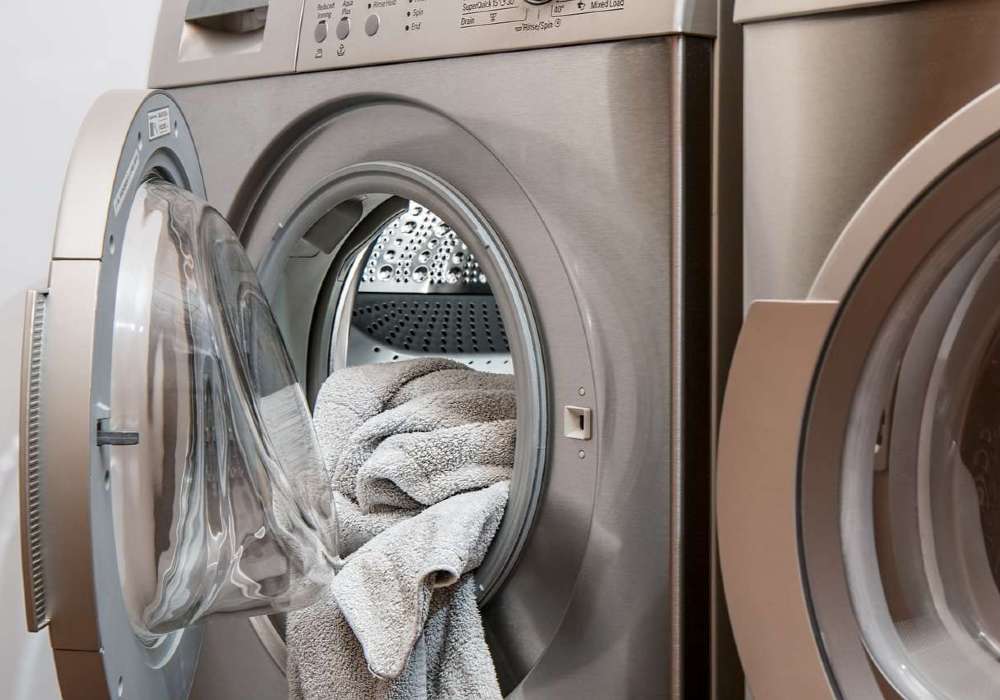
Regular cleaning of your washing machine is crucial for its longevity and efficiency. Dirt, detergent residue, and limescale can accumulate over time, leading to unpleasant odors, mold growth, and reduced cleaning performance. This buildup can also damage the machine's sensitive components and ultimately result in costly repairs. A clean washing machine saves energy because it operates more efficiently and ensures your laundry is hygienically clean. Furthermore, regular maintenance prevents malfunctions and preserves the value of your machine.
The right materials and cleaning agents for cleaning your washing machine
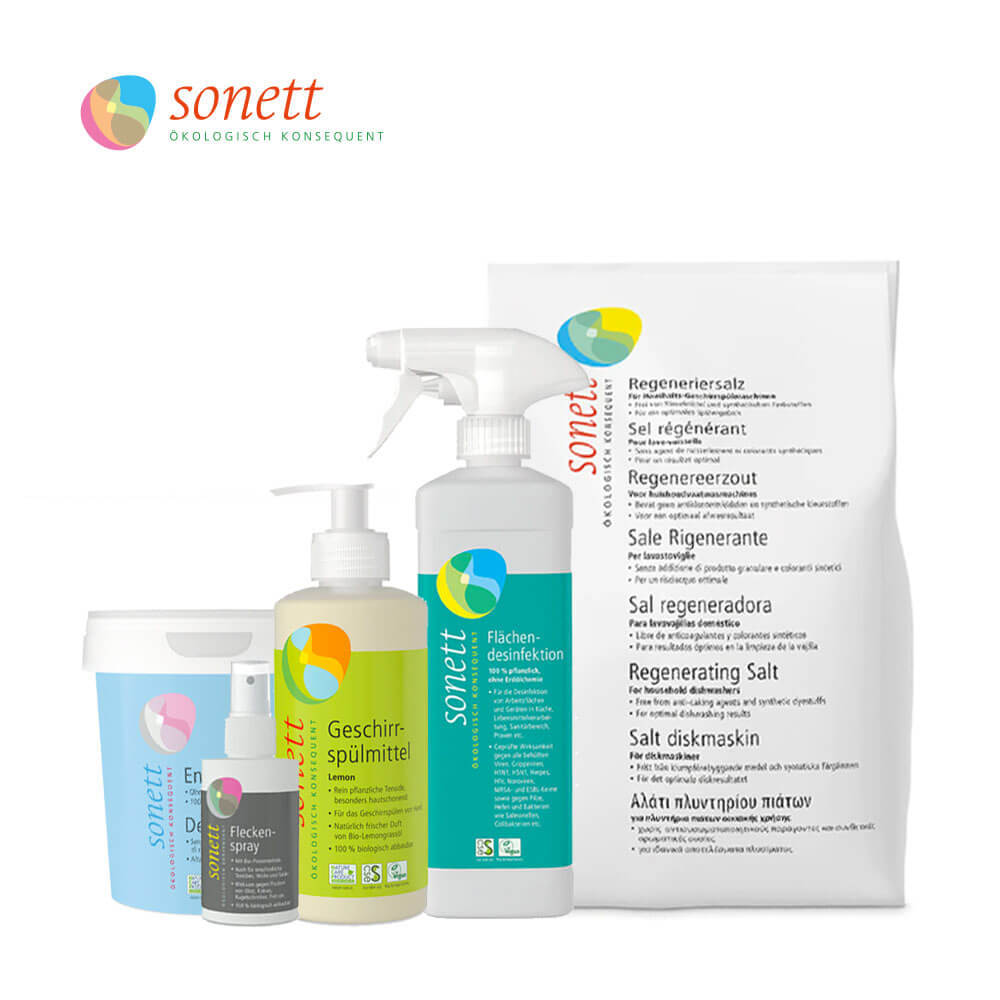
To thoroughly clean your washing machine, you will need the following materials and cleaning agents: white vinegar or citric acid, baking soda, a microfiber cloth, an old toothbrush, and, if necessary, a special washing machine cleaner. Vinegar and citric acid descale and remove unpleasant odors. Baking soda helps to loosen dirt and detergent residue. Use the microfiber cloth to wipe the exterior surfaces and rubber seals. The toothbrush is useful for hard-to-reach areas such as the detergent drawer. For stubborn deposits or mold, a washing machine cleaner may be helpful for cleaning the drum and other parts. Be sure to choose products that are gentle on materials and do not contain harsh substances that could damage the machine.
Step-by-step instructions for cleaning the detergent dispenser
To thoroughly clean your detergent drawer, follow these simple instructions:
-
Remove the tray: Carefully pull it out as far as it will go and, if necessary, press the release button to remove it completely.
-
Soaking: Place the tray in a mixture of warm water and mild detergent. Let it soak for 15-30 minutes.
-
Scrubbing: Use an old toothbrush to remove all soap residue and deposits. Pay special attention to corners and crevices.
-
Rinsing: Rinse the compartment thoroughly under running water to remove all cleaning agent residue.
-
Drying: Dab the compartment with a clean cloth or leave it to air dry.
-
Insertion: Slide the clean tray back into the washing machine.
Regular cleaning of the detergent dispenser prevents mold growth and unpleasant odors and ensures efficient use of the detergent.
How do you clean the drum and the porthole of the washing machine?
To properly clean the drum and porthole of your washing machine, you should regularly perform the following steps:
-
Drum: Empty the washing machine and sprinkle about 50 grams of citric acid, or alternatively baking soda, directly into the drum. Then start a hot wash cycle without any laundry. This will dissolve limescale and detergent residue.
-
Porthole: Wipe the porthole and rubber seals with a damp microfiber cloth. For stubborn stains, you can use a 1:1 mixture of water and vinegar. Don't forget to clean the inside of the seals, as dirt often accumulates there.
These cleaning steps will prevent unpleasant odors and ensure a longer lifespan for your washing machine.
Tips for preventing unpleasant odors in the washing machine
To prevent unpleasant odors in your washing machine, regular maintenance is essential. Here are some effective tips:
-
Leave the washing machine door open after each wash cycle to allow moisture to evaporate and prevent mold growth.
-
Use a washing machine cleaner or home remedies such as vinegar or baking soda monthly to remove residues and odors.
-
Reduce the amount of detergent and fabric softener. Overdosing can lead to deposits that cause odors.
-
Regularly perform a hot wash cycle (at least 60 degrees) to kill bacteria and germs.
-
Clean the lint filter and detergent drawer insert regularly to remove residue.
These preventative measures will keep your washing machine fresh and clean for longer.
Specific cleaning methods for different washing machine types: front loader vs. top loader.
To thoroughly clean your washing machine, you should consider the specific requirements of front-loading and top-loading models. Front-loading machines tend to develop mold on the rubber door seal. Wipe this regularly with a damp cloth and leave the door open after washing to promote air circulation. For top-loading machines, you should clean the detergent and fabric softener dispensers more frequently, as residues can accumulate there. Once a month, it's recommended to run both types of machines on a hot water cycle with a special washing machine cleaner or vinegar to remove deposits and unpleasant odors. Don't forget to clean the lint filter regularly and check the water inlet hoses as needed.
Conclusion: A clean washing machine for clean laundry
A freshly cleaned washing machine is key to hygienically clean laundry. Regular cleaning is essential to prevent limescale buildup, mold, and unpleasant odors. Don't forget to check all seals and empty the lint filter regularly. A clean appliance saves energy and extends the lifespan of your washing machine. These tips will not only keep your laundry clean but also ensure your machine runs smoothly, guaranteeing fresh, clean results every time.


Leave a comment
All comments are moderated before being published.
This site is protected by hCaptcha and the hCaptcha Privacy Policy and Terms of Service apply.