



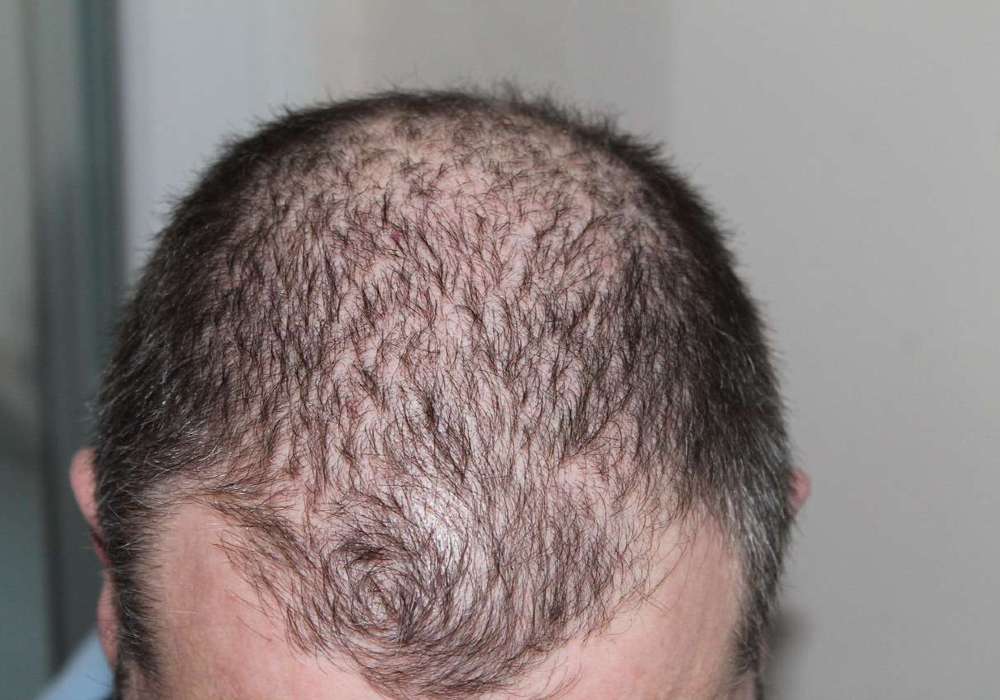
Hair loss is a widespread problem affecting many people, both men and women. It can be triggered by a variety of factors, including genetic predisposition, hormonal changes, stress, or an unhealthy diet. While hair loss can be a natural phenomenon in the course of life, more and more people are looking for effective methods to promote hair growth and stop the loss. One of the most promising solutions in the hair care industry is caffeine. But how exactly can caffeine help with hair loss? In this article, we'll discuss the scientific background, the uses of caffeine, and other treatment options.
What is caffeine?
Caffeine is a naturally occurring alkaloid found primarily in coffee beans, tea leaves, and cocoa beans. It has a stimulating effect on the central nervous system, increasing alertness and promoting concentration. However, caffeine's effects aren't limited to the body—it's also increasingly used in skincare, particularly haircare. Many shampoos and serums contain caffeine to promote hair growth and combat hair loss.
Causes of hair loss
Before we discuss how caffeine can help, it's important to understand the most common causes of hair loss. Hair loss can have various causes, including:
- Genetic factors: The most common cause of hair loss is genetic predisposition, known as androgenetic alopecia. This leads to thinning hair, especially on the top of the head.
- Hormonal changes: Pregnancy, menopause and thyroid disorders can affect the hormonal balance and cause hair loss.
- Stress: Chronic stress can impair hair growth and lead to a condition called telogen effluvium, in which increased hair loss occurs.
- Nutrition and malnutrition: A deficiency in vitamins and minerals, especially iron and biotin, can negatively affect hair growth.
- Diseases and medications: Certain medical conditions such as autoimmune diseases and the use of medications can also lead to hair loss.
How does caffeine help against hair loss?
The effects of caffeine on the hair growth process have been investigated in several scientific studies. Caffeine has the ability to penetrate deep into the skin and promote blood circulation in the scalp. This improves the supply of nutrients and oxygen to the hair follicles, which can stimulate the growth of new hair.
-
Caffeine has the ability to penetrate the skin, particularly the upper layers of the scalp, and directly influence the hair follicles. Hair follicles are the "lifeblood" of hair—they produce the strands of hair we see. Caffeine can help stimulate these follicles by increasing their activity. Studies show that caffeine can prolong the growth phase of hair (anagen phase), resulting in longer, thicker-looking hair.
-
Blocking Dihydrotestosterone (DHT) : DHT is a hormone that, in high concentrations, is associated with hair loss. It is derived from testosterone and has the ability to shrink hair follicles and inhibit their growth. Caffeine has the ability to block the binding of DHT to the hair follicles. This prevents the hair from thinning and falling out, which is particularly important in cases of genetic hair loss (androgenetic alopecia).
-
Improved Blood Circulation and Nutrient Supply: Good blood circulation is crucial for healthy hair growth, as it ensures that the hair roots are adequately supplied with oxygen and essential nutrients. Caffeine promotes blood flow to the scalp, which helps to better supply the hair follicles with the necessary nutrients. This can stimulate hair growth and slow down hair loss, as the hair can then grow in a better environment.
-
Promoting scalp detoxification: Caffeine acts as a gentle antioxidant. It helps neutralize harmful substances that can accumulate on the scalp, such as free radicals and toxins. A clean and healthy scalp is essential for hair growth, as it provides the optimal foundation and prevents buildup from inhibiting hair growth.
-
Increased Adenosine Production: Another mechanism by which caffeine works is by increasing adenosine production. Adenosine is a compound present in the skin that can promote hair growth by improving blood circulation and stimulating hair follicles. Caffeine blocks the adenosine antagonist receptor, which in turn stimulates the production of adenosine in the hair follicles, thus supporting growth.
-
Caffeine prevents scalp dryness and is also known for its soothing effect on the skin. Dry scalp is often an additional problem that can exacerbate hair loss. Caffeine's calming effect helps to moisturize the scalp and maintain its health. In most shampoos for hair loss, this is further enhanced by urea or panthenol. A well-hydrated scalp is less prone to inflammation or skin irritations that could hinder hair growth.
Summary of caffeine's mechanisms of action
- Hair follicle stimulation: Caffeine acts on the hair follicles by stimulating their activity. It is believed to block the effects of dihydrotestosterone (DHT) – a hormone associated with hair loss – thereby reducing hair loss.
- Improved blood circulation: Better blood circulation in the scalp ensures an improved supply of nutrients to the hair roots. This can stimulate hair growth and strengthen existing hair.
Other simple treatment options for hair loss
While caffeine is a promising aid against hair loss, there are other treatment options that can achieve optimal results in combination with caffeine.
Minoxidil for hair loss
Minoxidil is one of the best-known medications for treating hair loss. It works by dilating blood vessels and improving blood circulation to the scalp. Many hair growth products contain minoxidil and caffeine to enhance its effects.
Biotin and dietary supplements
Biotin, also known as vitamin B7, is an important nutrient for hair growth. A biotin deficiency can cause hair loss. Therefore, biotin supplementation can support hair health and promote growth.
Healthy eating
A balanced diet rich in vitamins and minerals can also help prevent hair loss. Foods rich in omega-3 fatty acids, iron, zinc, and vitamin D contribute to healthy hair.
Natural oils for scalp care
Natural oils like rosemary or peppermint oil also have positive effects on hair growth by stimulating the scalp and promoting blood circulation. Many people combine caffeine with these oils to maximize hair growth.
Practical tips on using caffeine for better hair growth
- Caffeine shampoos and serums: To benefit from the advantages of caffeine, you can use special caffeine shampoos or serums. These products are formulated to supply the scalp with caffeine and stimulate hair growth.
- How often should you use it? To achieve visible results, it is recommended to use caffeine products regularly. For shampoos, using the product 3-4 times a week is sufficient, while serums can be applied daily, depending on the product instructions.
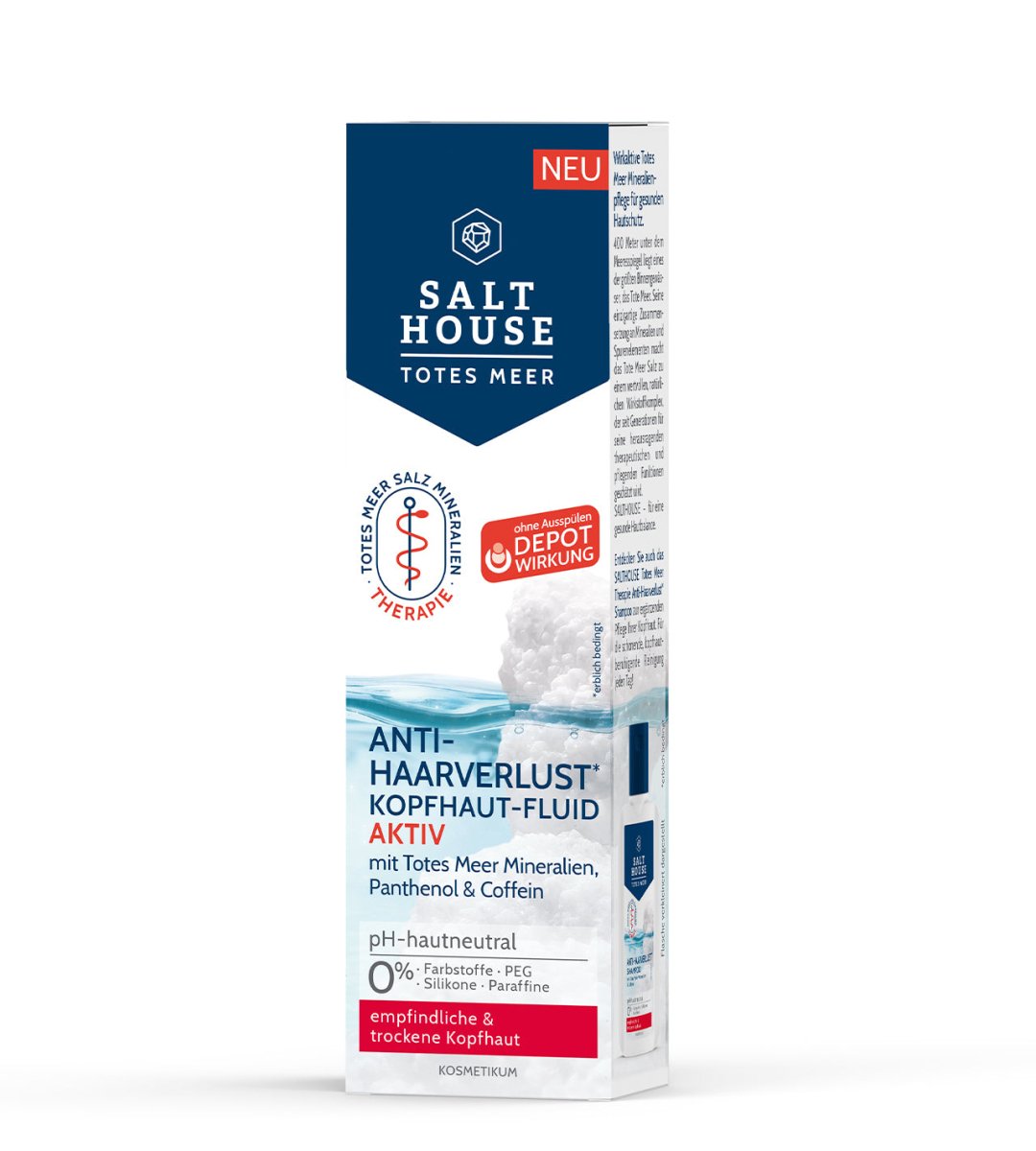
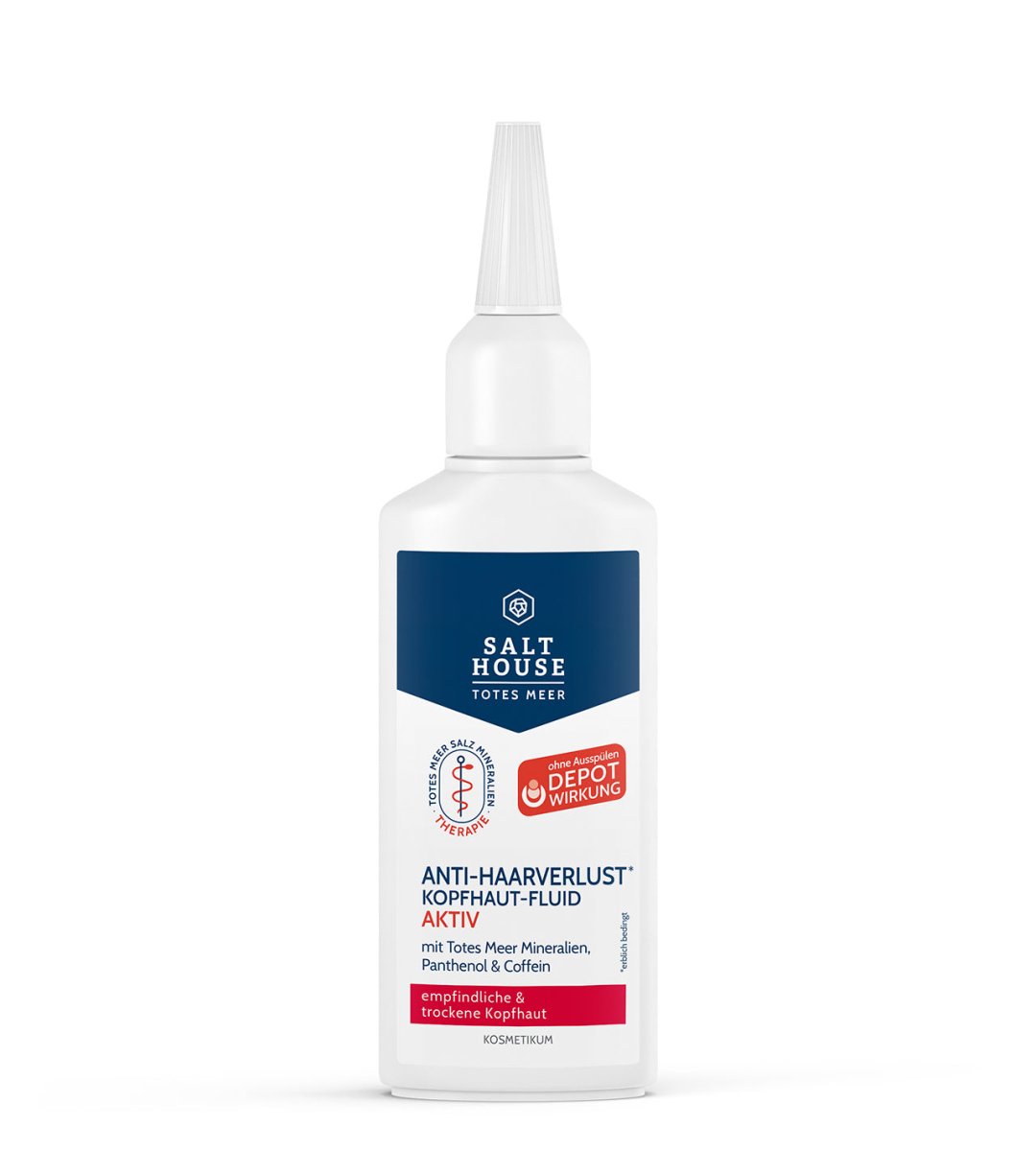
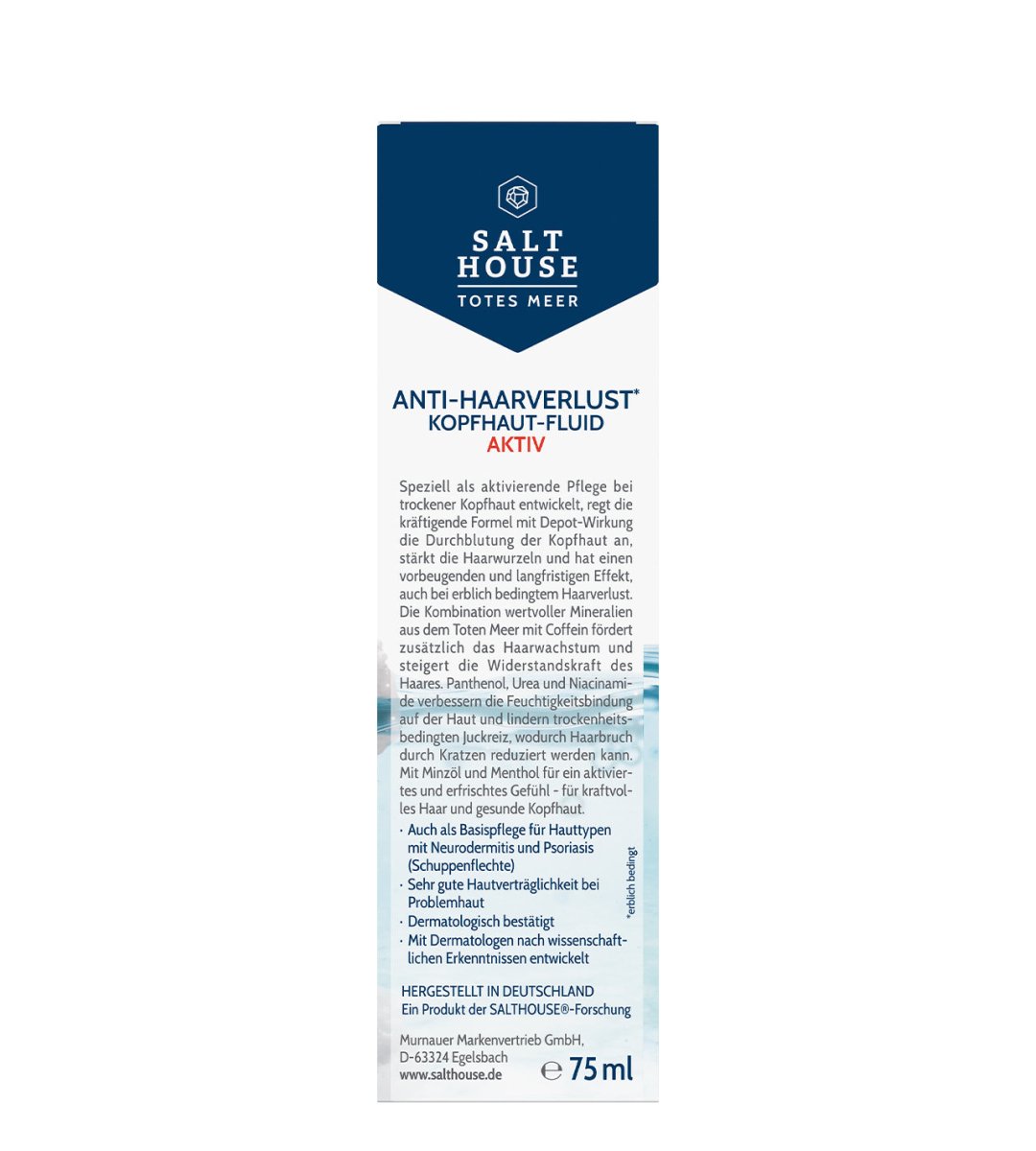
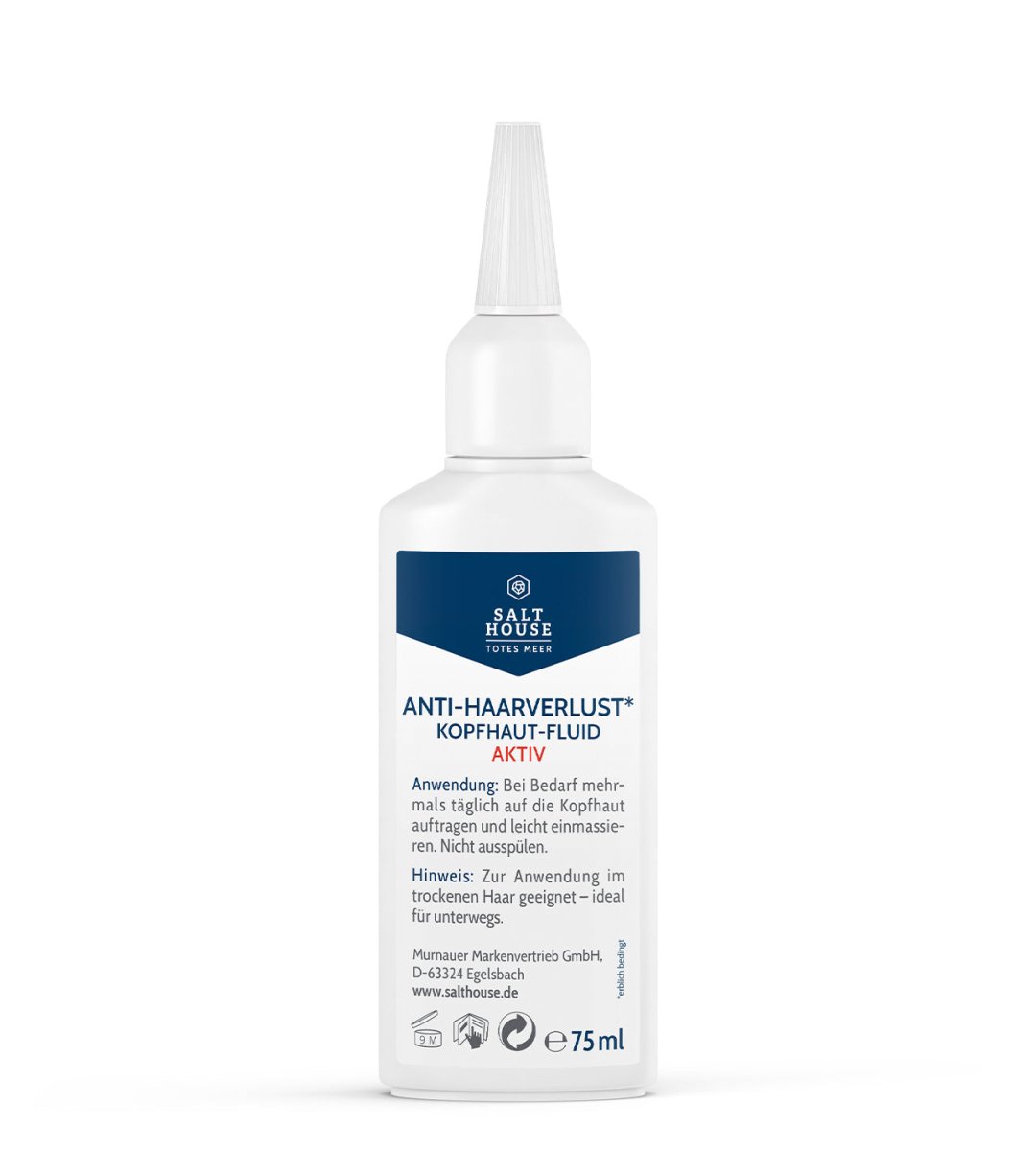
If you are looking for such products, feel free to try the anti-hair loss shampoo and anti-hair loss scalp fluid .
Conclusion
Caffeine can be a valuable aid in the fight against hair loss and in promoting hair growth. By improving blood circulation and stimulating hair follicles, caffeine can help stimulate hair growth and reduce hair loss. Combined with other treatments such as minoxidil, biotin, and a healthy diet, it can effectively combat hair loss. Regular use of caffeine products, along with balanced scalp care, is key to long-term improvement in hair health.



Leave a comment
All comments are moderated before being published.
This site is protected by hCaptcha and the hCaptcha Privacy Policy and Terms of Service apply.