





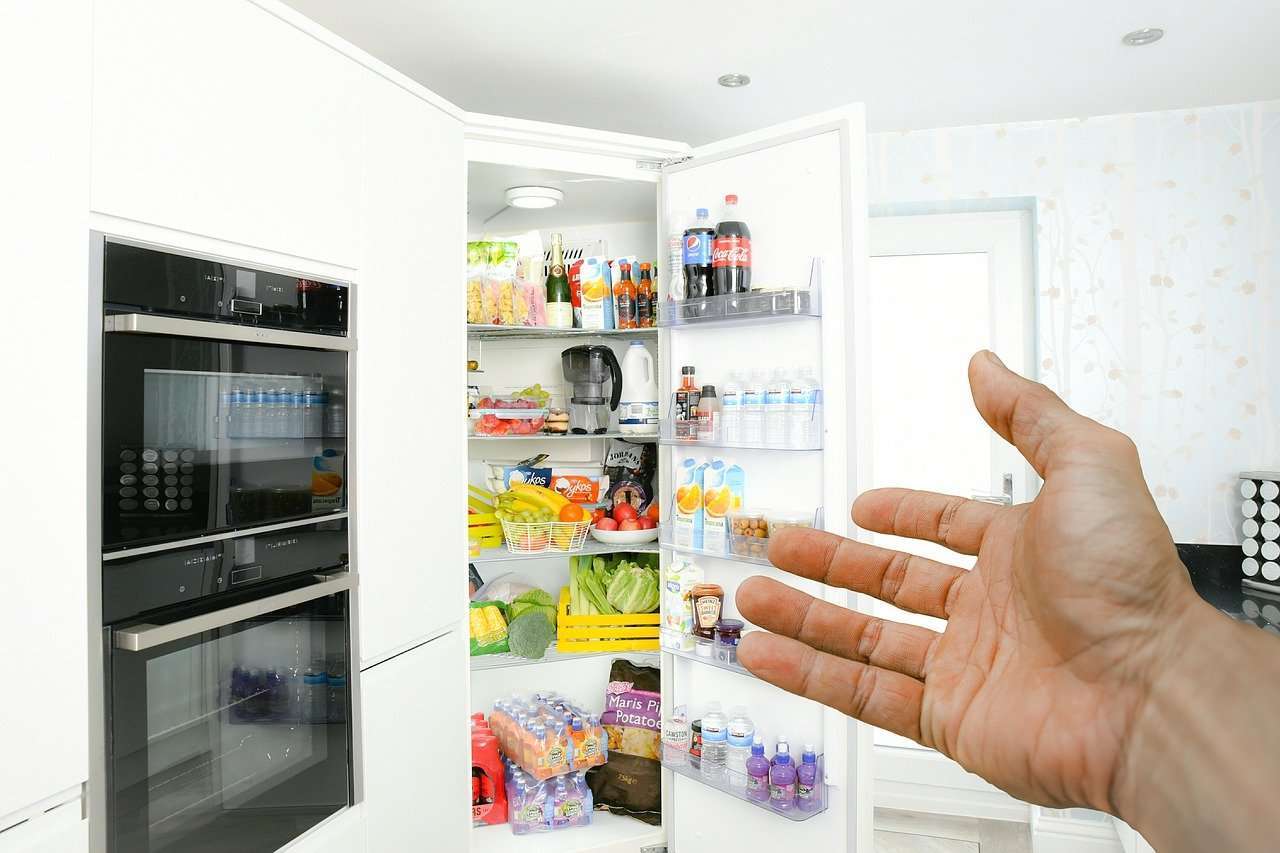
Welcome to our guide to a spotless refrigerator! Your refrigerator isn't just a place to store food; it's the heart of your kitchen, where freshness and enjoyment come together. But between all the food and daily use, it can quickly become messy and unhygienic. Don't worry! With our tips and tricks, we'll transform your refrigerator into a sparkling clean space. Get ready to give your refrigerator a high-gloss finish and ensure optimal cooling!
Why is it important to clean the refrigerator regularly?
Regularly cleaning your refrigerator is important for several reasons. First, it ensures hygiene and prevents the growth of bacteria and mold, which can spoil food and cause illness. Second, a clean environment preserves the freshness and flavor of stored food. Third, an accumulation of old food and liquids can cause unpleasant odors that can transfer to new food. Furthermore, a clean refrigerator saves energy because it can operate more efficiently when no contaminants are blocking the vents. Regular cleaning therefore contributes to food safety, energy efficiency, and overall food quality.
Preparation: What is needed to effectively clean the refrigerator?
To effectively clean your refrigerator, you'll need some basic cleaning supplies and utensils. Make sure you have mild dish soap or all-purpose cleaner , warm water, a soft cloth or sponge, and a microfiber cloth on hand. For stubborn stains, a special refrigerator cleaner or a mixture of vinegar and water can also be helpful. Don't forget baking soda for unpleasant odors and, if needed, disposable gloves for hygiene. A small hand brush or vacuum cleaner is also useful for removing crumbs and loose dirt. Finally, you should lay down some old towels or newspapers to protect the floor from any spills.
Interior cleaning
Cleaning the inside of your refrigerator is essential for hygiene and odor neutrality. Start by removing all food and taking out the shelves. A mixture of warm water and mild all-purpose cleaner or dish soap is ideal for cleaning surfaces and compartments. Stubborn stains can be treated with a soft scouring pad . After cleaning, rinse thoroughly with clean water and dry the surfaces to prevent water spots. If desired, you can also disinfect the refrigerator interior to kill bacteria. To do this, use a mild disinfectant or a diluted solution of water and bleach. Be sure to wipe away all residue carefully. Finally, allow everything to dry completely before putting the food back in.
Cleaning the shelves and compartments
To effectively clean the shelves and compartments of your refrigerator, first remove them and allow them to acclimatize to room temperature to prevent material damage. Use a mild soap solution, vinegar water, or even glass cleaner to wash them thoroughly. Stubborn stains can be treated with a gentle scouring paste or a mixture of baking soda and water. After cleaning, rinse the parts with clean water and allow them to dry completely before placing them back in the refrigerator to prevent mold growth. Make sure to clean the compartment seals as well to ensure optimal hygiene. Regular cleaning not only prevents unpleasant odors but also contributes to a longer lifespan for your refrigerator.
Cleaning the door seals and exterior
When cleaning your refrigerator, don't neglect the door seals and the exterior. Door seals often collect crumbs and dust, which can reduce efficiency. Use a soft brush or a microfiber cloth to gently clean the seals. A mixture of water and mild dish soap is ideal for this. If necessary, you can also use a toothbrush to clean hard-to-reach areas. After cleaning, dry the seals thoroughly to prevent mold growth.
The outside of the refrigerator should be wiped down regularly to remove fingerprints and kitchen grime. Use a mild detergent or a solution of water and vinegar to clean the exterior. Dip a sponge or clean cloth into the cleaning solution and thoroughly wipe the entire outside of the refrigerator. Pay particular attention to handles, buttons, and other frequently touched areas. For stainless steel surfaces, there are also special cleaners available that offer additional protection against fingerprints. A clean refrigerator is not only more hygienic but also a more attractive addition to the kitchen.
Organization and restocking
After thoroughly cleaning your refrigerator, it's important to organize it properly and put the food back in its place. Well-organized food storage in the refrigerator not only helps extend its shelf life but also makes it easier to access the products you need. Here are some tips on how to best organize your refrigerator and efficiently put the food back in its place:
Dispose of expired food: Check all food in your refrigerator for its expiration date and discard anything that is expired or spoiled. This is not only important for your health, but also makes room for fresh food.
Sort the food: Before putting the food back in the refrigerator, sort it into categories such as fruit, vegetables, dairy products, meat, and leftovers. This makes it easier to keep track of everything and quickly find the food you need.
Use suitable storage containers: To keep food organized and extend its shelf life, use airtight storage containers or resealable plastic bags. These also help reduce odors in the refrigerator and protect food from drying out.
Place food according to its temperature requirements: Arrange the food in the refrigerator according to its temperature requirements. For example, place highly perishable foods, such as meat or fish, in the compartment above the vegetable drawer, dairy products in the compartment above that, while fresh fruit and vegetables should be stored in the less cool areas, usually at the bottom.
Tips for avoiding unpleasant odors in the refrigerator
To prevent unpleasant odors in the refrigerator, regular cleaning is essential. Always store food in sealable containers to prevent odor transfer. Fresh fruits and vegetables should also be stored in containers or special food storage boxes. Be sure to dispose of spoiled food promptly and regularly check the refrigerator for expired products.
Otherwise, baking soda is a tried-and-tested home remedy for bad odors: simply place a bowl of baking soda in the refrigerator; it will absorb the smells. A regularly replaced lemon, cut in half and placed in the refrigerator compartment, can also work wonders. Additionally, ventilate the refrigerator by switching it off for several hours at least once a month and leaving the door open. This guarantees a clean and odor-free environment.
How often should you clean the refrigerator?
A refrigerator should be cleaned regularly to ensure hygiene and freshness. On average, cleaning every two to three months is recommended. With frequent use or if highly perishable foods are stored, monthly cleaning may be advisable. It's important not to wait until the next scheduled cleaning time to notice visible dirt or unpleasant odors, but to act immediately. Regularly emptying the refrigerator and wiping down the surfaces with a mild cleaning agent will keep it clean and germ-free.
Special attention: Don't forget the freezer compartment!
When cleaning a refrigerator, the freezer compartment is often neglected. However, this is precisely where ice and bacteria quickly accumulate. It's important to defrost and clean the freezer compartment regularly. Start by emptying the compartment and unplugging it. Then, carefully loosen the ice with a spatula. Avoid using sharp objects to prevent damage. After defrosting, wipe the compartment with a mild cleaning solution. Be sure to thoroughly clean all crevices and seals to prevent mold growth. After cleaning, allow the compartment to dry completely before refilling and reusing it. Regularly cleaning the freezer compartment not only prevents unpleasant odors but also saves energy through more efficient cooling.
Conclusion: This is how the refrigerator stays clean and odor-free in the long term.
To ensure your refrigerator stays clean and odor-free, regular maintenance is essential. After each thorough cleaning, which should be done approximately every two months, it's recommended to place food storage mats in the compartments. These mats absorb moisture and keep food fresh for longer. Additionally, an open bowl of baking soda can neutralize unpleasant odors.
Make sure to dispose of expired products promptly to prevent odors and soiling. Organize your food into categories and use transparent storage containers so you have a better overview and nothing gets forgotten. Do a quick check and wipe down once a week to immediately remove any small spills or stains. With these tips, your refrigerator will not only stay clean but also inviting and hygienic.
Otherwise, you can find further instructions for cleaning important kitchen appliances in our Household Tips section.




Leave a comment
All comments are moderated before being published.
This site is protected by hCaptcha and the hCaptcha Privacy Policy and Terms of Service apply.