


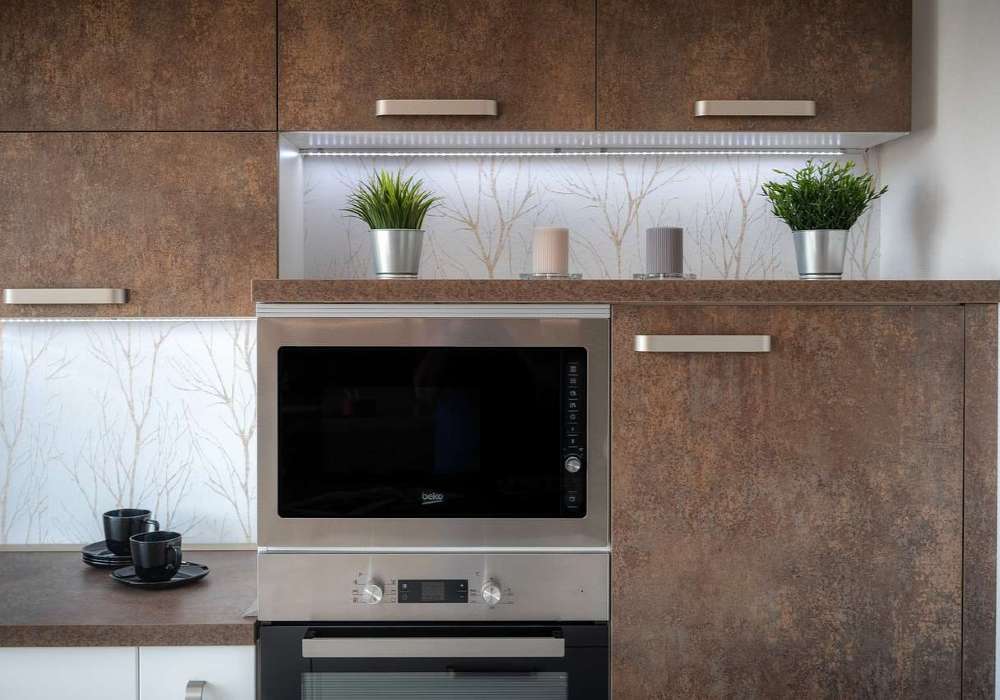
A sparkling clean home often starts with the little details, and the microwave is no exception. Have you ever wondered how to effectively clean your microwave to keep it not only hygienically clean but also free of unpleasant odors? Well, you're not alone! In today's blog post, we'd like to share some practical tips and tricks to get your microwave shining again in no time. From simple household remedies to tried-and-tested cleaning methods, we have everything you need to get your microwave sparkling clean. Dive in and let's discover the art of microwave cleaning together!
Why is it important to clean the microwave regularly?
Regularly cleaning your microwave is important for several reasons. First, it ensures hygiene, as food residue and spills can attract bacteria and mold, posing health risks. Second, burnt-on food reduces the appliance's efficiency because it absorbs microwaves, requiring more energy to heat food. Third, a clean microwave prevents unpleasant odors from permeating your food. Finally, regular maintenance helps extend the lifespan of your microwave and avoid costly repairs. A clean microwave not only guarantees more appetizing meals but also saves you time and money in the long run.
Which home remedies are suitable for cleaning?
Natural cleaning products are a great option for effectively cleaning your microwave without resorting to harsh chemicals. Here are some tried-and-tested natural cleaning products to help you thoroughly clean your microwave:
Vinegar: Vinegar is a versatile and effective cleaning agent that effectively dissolves grease and grime. Simply mix equal parts water and vinegar and pour it into a microwave-safe bowl. Heat the solution in the microwave for a few minutes until the steam softens the grime. Afterward, you can easily wipe and clean the microwave.
Lemon juice: Lemon juice not only has a pleasant freshness, but also contains natural acids that help remove grease and grime. Simply mix lemon juice with water in a spray bottle and spray the mixture generously into the microwave. Then heat the microwave for about a minute to create steam, which helps loosen the grime. Afterward, you can wipe the microwave with a clean cloth.
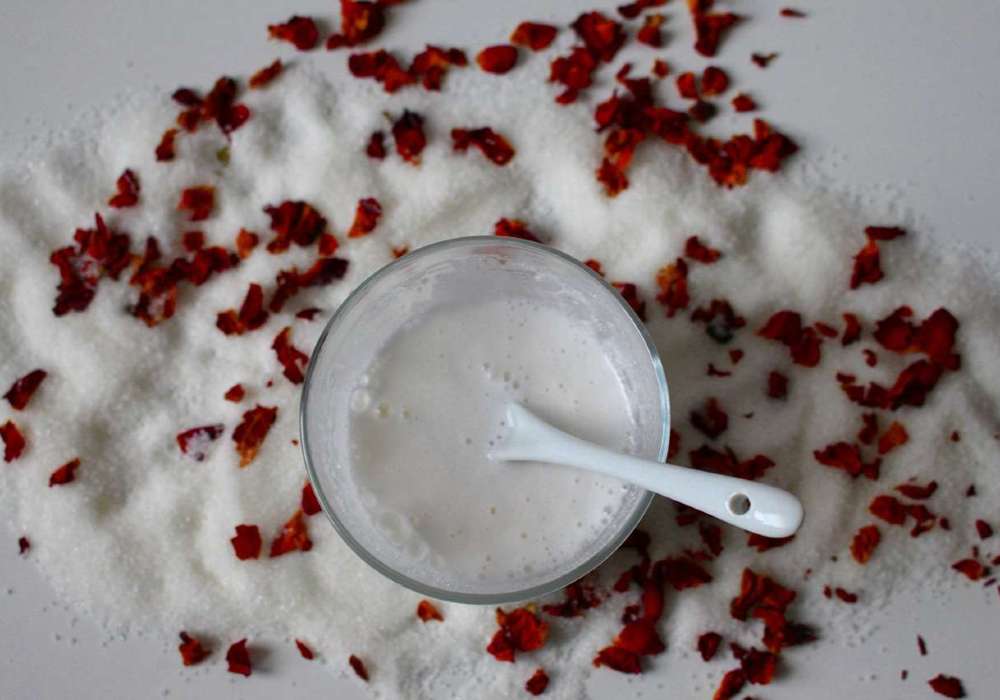
Baking soda: Baking soda is a gentle abrasive that can effectively remove stubborn dirt. Simply mix a paste of baking soda and water and apply it to the soiled areas in the microwave. Let the paste sit for a few minutes before wiping it off with a damp cloth. The baking soda helps to loosen dried-on food residue and clean the microwave.
Baking soda: Similar to baking powder, baking soda is an effective abrasive that helps clean stubborn dirt. Simply sprinkle some baking soda onto a damp cloth and wipe the inside surfaces of the microwave. The baking soda helps loosen encrustations and absorb unpleasant odors, while the cloth gently cleans the surfaces.
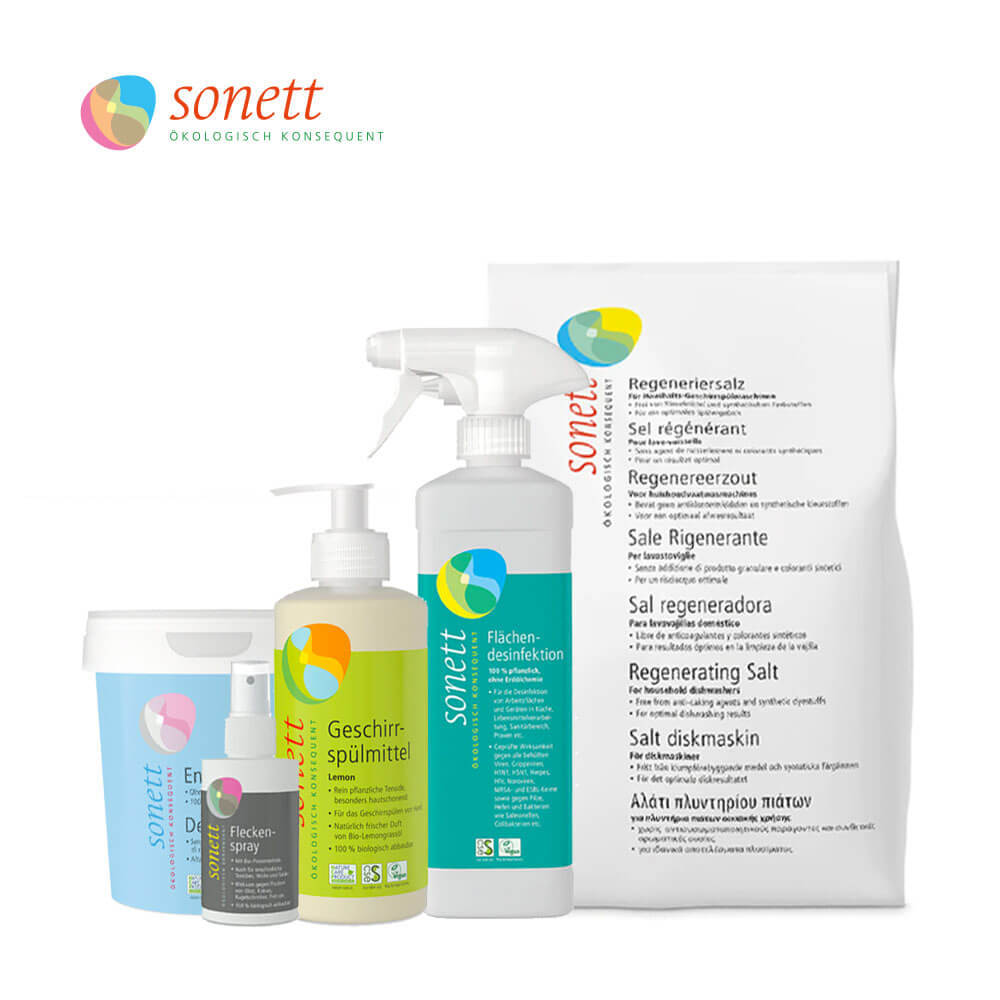
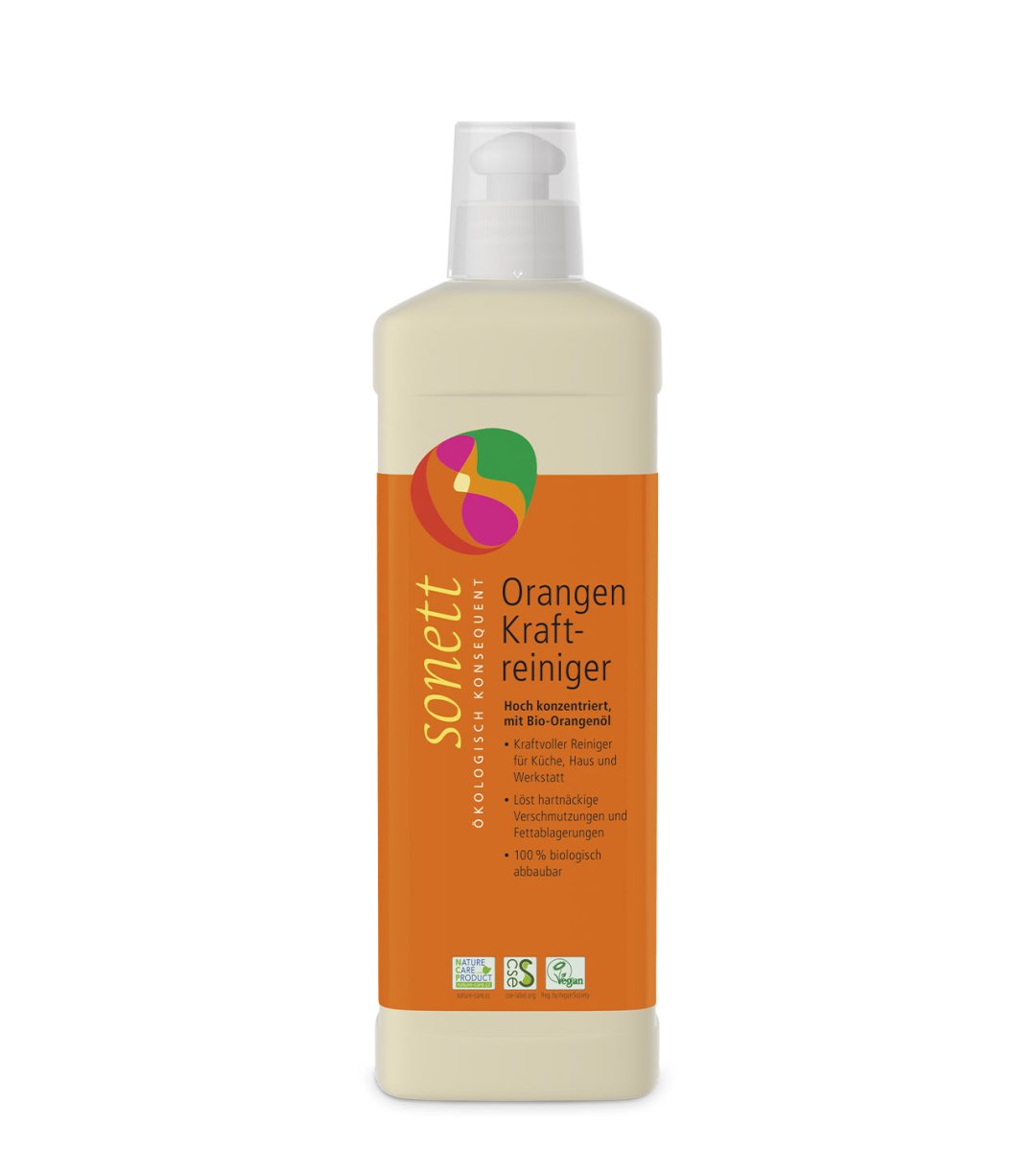
These natural cleaning products are not only effective but also environmentally friendly and safe to use. You can easily find them in your home and use them to thoroughly clean your microwave without resorting to harsh chemicals. Sonett's sustainably produced cleaning products also work without harsh chemicals. For this purpose, we recommend both the Orange Power Cleaner and the All-Purpose Cleaner .
Step-by-step instructions for thorough cleaning
Thoroughly cleaning your microwave is easier than you think! With this step-by-step guide, you can effectively clean your microwave and make it shine again:
-
Unplug the microwave: Safety first. So first, disconnect the microwave from the mains power supply.
-
Remove the turntable: Take out the turntable and wash it like dishes in warm soapy water.
-
Wipe the interior: Wipe the interior with a damp cloth. Treat stubborn food residue with one of the previously mentioned cleaning agents and, after the recommended contact time, remove it with a clean cloth or sponge .
-
Clean the door seal: Don't forget to clean the seals on the door with a damp cloth.
-
Clean exterior surfaces: Wipe the exterior surfaces with a microfiber cloth and mild detergent.
-
Allow to dry: Before inserting the turntable and connecting the microwave, allow everything to dry thoroughly.
With this simple step-by-step guide, you can quickly and effectively clean your microwave to make it sparkling clean and ready for use again.
Tips for preventing soiling
An important aspect of microwave cleaning is regular care and maintenance to ensure your microwave remains hygienic and functional. Here are some tips on how to properly care for your microwave:
1. Regular cleaning: Perform regular cleaning and disinfection procedures to prevent the build-up of food residue, grease splatters, and bacteria. Once a week is often sufficient to keep your microwave clean.
2. Avoid overheating: Avoid placing empty containers or metal objects in the microwave, as this can lead to overheating and damage. Ensure all food is properly covered to prevent splattering.
3. Use of covers: Use special microwave covers or suitable containers to minimize splashes and messes during heating. This makes cleaning easier and prevents damage to the microwave.
4. Check the seals: Regularly check the seals and door locks of your microwave to ensure they are functioning properly. Damaged seals can lead to energy loss and impair the performance of your microwave.
5. Pay attention to odors: If your microwave develops unpleasant odors, clean it thoroughly and, if necessary, use natural odor absorbers such as baking soda or lemon slices to neutralize unwanted smells.
6. Surface care: Regularly clean not only the interior but also the exterior surfaces of your microwave to remove fingerprints, grease stains, and dust. Use a mild detergent and a soft cloth for this purpose.
7. Professional Maintenance: If your microwave is experiencing problems or requires regular cleaning, contact a professional for repairs and maintenance. A professional inspection can help prevent more serious damage and extend the lifespan of your microwave.
By following these care and maintenance tips, you can ensure that your microwave oven functions optimally and provides reliable service for a long time. Regular cleaning and maintenance are crucial to guarantee hygienic conditions and maintain your microwave's performance.
Safety precautions when cleaning the microwave
Before cleaning your microwave, it's important to observe a few safety precautions. First, always switch off the appliance and unplug it to avoid any risk of electric shock. Never use metal objects or abrasive cleaning agents that could damage the inside of your microwave. Be careful not to allow moisture to enter the ventilation slots, as this could affect the electronics. Use soft cloths or sponges and mild cleaning agents. After cleaning, allow the microwave to dry thoroughly before using it again. By following these tips, you'll ensure your safety and extend the life of your appliance.
How often should you clean the microwave?
The microwave should be cleaned regularly to remove food residue and odors. A good rule of thumb is to clean it once a week, or more often if it's used frequently. Any spills or boil-overs should be wiped up immediately to prevent stubborn stains and odors. Regular cleaning not only keeps your microwave hygienic but can also extend its lifespan.
Conclusion and final thoughts
Having navigated the world of microwave cleaning, we've learned that regularly caring for and cleaning your microwave not only contributes to its longevity but also to your own health and safety. From tackling unsightly residue and using natural cleaning agents to a step-by-step guide for a thorough cleaning, we've discovered numerous tips and tricks to keep your microwave in top condition. Remember, a clean microwave not only allows for more appetizing meals but also a more hygienic cooking environment. So, make time to clean your microwave regularly, and you'll enjoy the many benefits of a clean and well-maintained kitchen appliance.
If you need more helpful tips and tricks about cleaning your home, you can find more interesting blog posts here .


Leave a comment
All comments are moderated before being published.
This site is protected by hCaptcha and the hCaptcha Privacy Policy and Terms of Service apply.