

Laundry symbols help you choose the right washing temperatures, drying methods, and care routines. Each symbol gives precise instructions on how a garment should be washed, dried, or ironed. Here's a detailed explanation of the most common laundry symbols:
1. Washing temperatures: The water droplets
The water droplet symbol indicates the recommended washing temperature. The number inside the droplet tells you the maximum temperature at which you should wash the garment.
- Water droplet with a number: The number represents the maximum washing temperature in degrees Celsius. For example, "30" in the droplet means that you can wash the laundry at a maximum of 30 degrees.
- No numerical value: If the number is missing, the laundry can be washed at all temperatures.
Tip: When working with delicate fabrics such as silk or wool, be sure to use low temperatures, as these can shrink or lose their structure if the heat is too high.
2. Tumble drying: Tumble dryer symbols
The square with a circle indicates whether and at what temperature you can dry your clothes in the dryer.
- One point in the circle: drying at low temperature.
- Two dots in a circle: Drying at high temperature.
- Crossed-out circle: This garment should never be tumble dried.
Note: Delicate fabrics such as wool and synthetic fibers are best air-dried to retain their shape.
3. Ironing: The iron symbol
The iron symbol gives you information about the correct ironing temperature:
- One point: Low temperature (max. 110°C).
- Two points: Medium temperature (max. 150°C).
- Three points: High temperature (max. 200°C).
- Iron with a line through it: Ironing is not allowed as it could damage the fabric.
Recommendation: Be careful with delicate materials like silk, which should not be ironed. For other fabrics like cotton or linen, the temperature can be a little higher.
4. Bleaching: The triangle symbol
The triangle symbol indicates whether bleaching is allowed.
- An empty triangle: Bleaching is allowed.
- An X in a triangle: Bleaching is not allowed.
- One point in the triangle: Only chlorine-free bleaching is allowed.
Tip: Avoid aggressive bleaching, as this can lead to discoloration and damage, especially with delicate fabrics.
5. Hand washing: The washbasin symbol
The washbasin symbol indicates whether the garment should only be washed by hand.
- Hand in bowl: Handwashing is required.
- No symbol: The garment can be machine washed.
If the symbol recommends hand washing, you should be especially careful and avoid aggressive treatments, as delicate materials such as wool or silk could be damaged by machine washing.
6. Air drying: The square without a circle
This symbol indicates that you should hang the garment to air dry.
- With a line under the square: Dry lying down (e.g. for delicate materials such as wool or cotton).
- Without a line: You can simply hang the garment up.
Caution: Avoid drying delicate fabrics in the sun, as UV rays can cause the fabric to fade over time.
7. Dry Cleaning: The Circle
The circle symbol indicates that your garment needs to be dry cleaned.
- Circle with letters: The letter indicates which solvent can be used. "A" means that all solvents are permitted, while "P" and "F" indicate specific chemicals.
- Crossed-out circle: No dry cleaning allowed.
It is important that you pay attention to this symbol, as incorrect cleaning methods can render the fabric unusable.
Detailed dosing aids: How to use laundry detergent correctly
The correct dosage of laundry detergent is key to thorough cleaning and protecting your clothes. Dosing aids, such as measuring cups or caps, allow you to measure the detergent precisely. But how much detergent do you really need?
-
Liquid detergent vs. powder: Liquid detergent is particularly well-suited for low washing temperatures and prevents residue buildup. Powder detergent, on the other hand, is especially effective at higher temperatures. Be sure to follow the dosage recommendations on the packaging to avoid overdosing.
-
Washing machine dosing aids: Modern washing machines often offer practical dosing aids or integrated detergent dispensers. These ensure that the correct amount of detergent is added to the wash cycle.
Precise dosing not only saves you money, but also protects the environment by minimizing detergent consumption.
Laundry care tips: How to protect your clothes
Not only is the right detergent crucial, but also the proper care of your laundry. Here are some tips you should keep in mind:
-
Washing temperatures: Choose the correct temperature depending on the type of fabric. Cotton can be washed at higher temperatures, while delicate fabrics such as wool should be washed at cooler temperatures.
-
Laundry bags for delicate fabrics: Particularly delicate fabrics such as silk or lace require extra protection. A laundry bag helps to prevent damage.
-
Sorting laundry: Sort your laundry by color and material to prevent discoloration and protect the fabrics.
Environmentally conscious washing: Sustainability in laundry care
Sustainability also plays a role in laundry. Make sure to use environmentally friendly detergents and pay attention to the correct dosage. Use less water if necessary and choose washing programs with low temperatures to save energy.
-
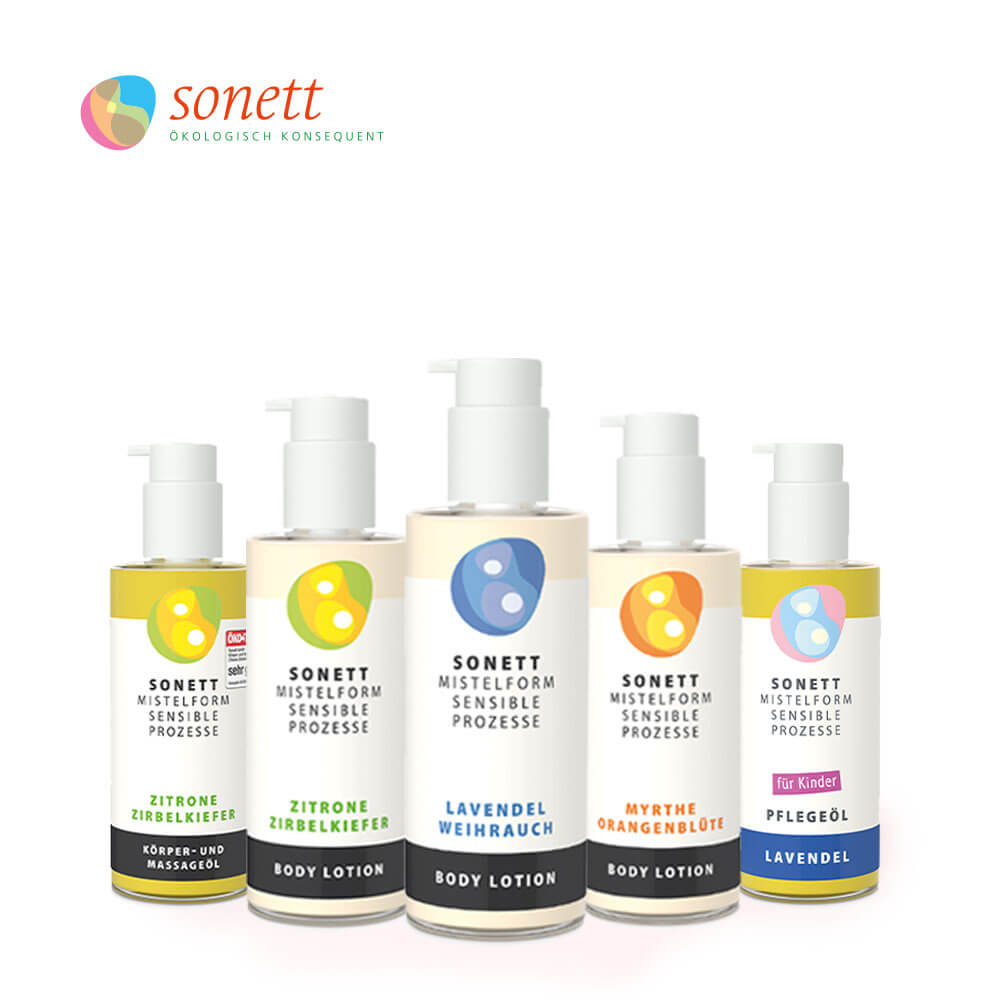
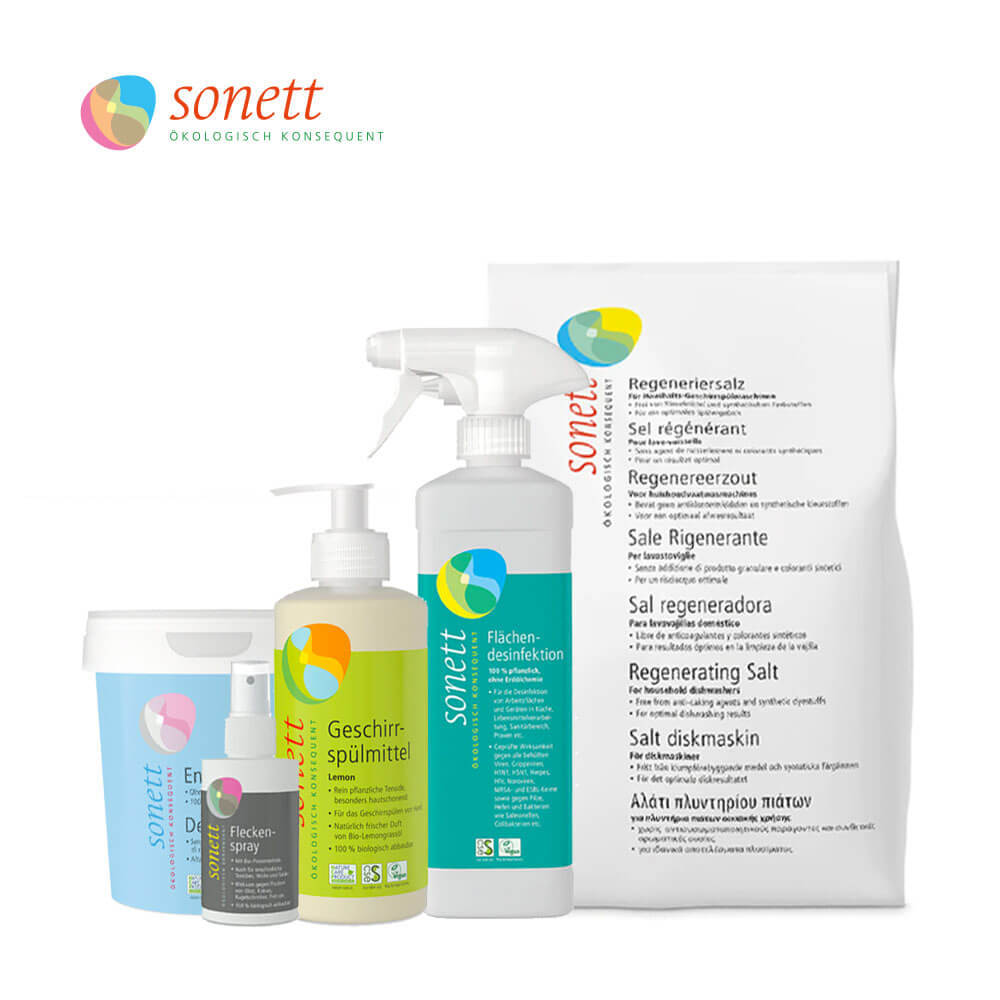
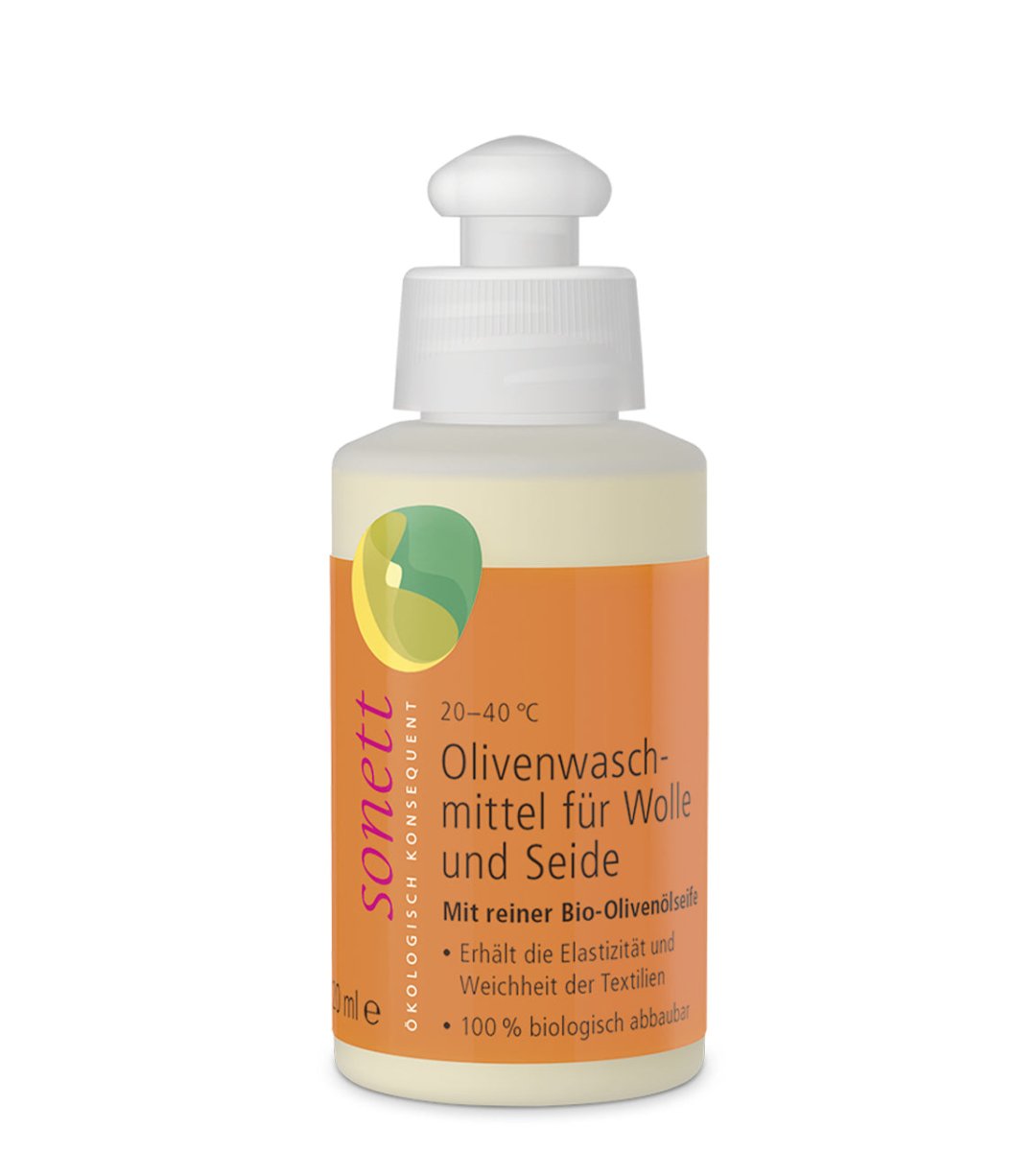
Eco-friendly laundry detergents: These detergents are free of harmful chemicals and biodegradable. They are gentle on both your clothes and the environment. We recommend Sonett detergents, such as their lavender detergent .
-
Energy-efficient washing machines: Modern machines offer programs that minimize water consumption and effectively clean laundry at low temperatures.
Conclusion: Perfect laundry care with the right tips and dosing aids.
With a proper understanding of washing symbols and dosage aids, you can wash your laundry not only efficiently but also gently. Pay attention to the correct detergent dosage, choose the appropriate programs, and protect your clothes with helpful items like laundry bags. At the same time, you'll be contributing to environmental protection by washing in a resource-efficient way. This way, your clothes will not only stay clean but also sustainably cared for!



Leave a comment
All comments are moderated before being published.
This site is protected by hCaptcha and the hCaptcha Privacy Policy and Terms of Service apply.