

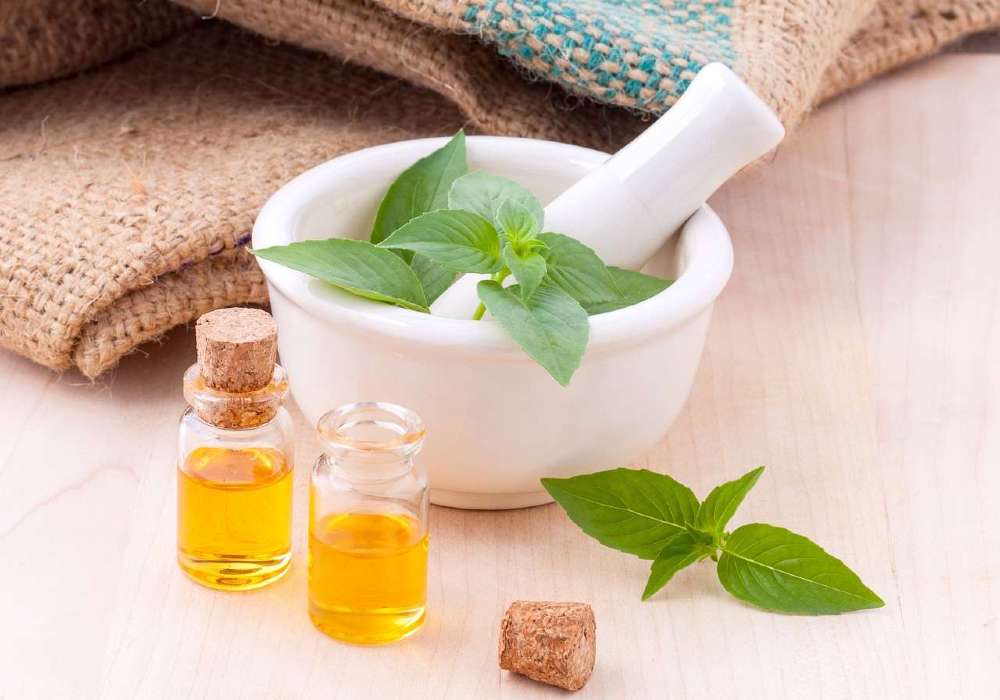
In the hustle and bustle of everyday life, it's often difficult to find moments of relaxation where we can fully focus on our well-being. Homemade massage oils offer a wonderful way to experience these precious moments of peace and regeneration. In this comprehensive guide, we invite you to discover the world of natural aromas and nourishing oils to create your own massage oils. Immerse yourself in the art of self-care and learn how to create luxurious and personalized massage oils with simple ingredients and your own creativity—oils that pamper body, mind, and soul alike.
The benefits of homemade massage oil
Homemade massage oil offers many advantages. You know exactly what ingredients it contains and can avoid artificial additives and preservatives. This is especially important for people with sensitive skin or allergies. Furthermore, you can tailor the oils to your individual needs, whether for relaxation, invigoration, or soothing sore muscles. Making it is usually simple and requires only a few ingredients, such as base oils and essential oils. In addition, homemade massage oil is often more cost-effective than store-bought products, and you can make it in your preferred quantity. Last but not least, mixing your own oil is a calming activity that contributes to relaxation even before the massage begins.
Selecting the right base oils
Base oils are more than just carriers for essential oils. They are rich in nutrients and vitamins that nourish, moisturize, and protect the skin, leaving it feeling soft and supple. When making your own massage oil, choosing the right base oils is crucial. Good carrier oils include jojoba, almond, and coconut, as they nourish and moisturize the skin. Jojoba oil is particularly gentle on the skin and absorbs quickly. Almond oil is rich in vitamin E and ideal for sensitive skin. Coconut oil has a soothing effect and leaves a pleasant feeling on the skin. Be sure to choose high-quality, cold-pressed oils for the best results. These oils form the base and can be enriched with essential oils to provide additional relaxing or invigorating properties.
-
Almond oil: Almond oil is light and well-tolerated by the skin. It moisturizes, soothes dry skin, and helps maintain the skin's natural moisture balance. Due to its anti-inflammatory properties, it is particularly suitable for sensitive skin types.
-
Jojoba oil: Jojoba oil is very similar to natural skin oil and is quickly absorbed into the skin without leaving a greasy residue. It regulates sebum production, provides moisture, and is therefore particularly suitable for oily or acne-prone skin.
-
Coconut oil: Coconut oil is rich in saturated fatty acids and has antimicrobial properties. It provides intense moisture, nourishes the skin, and leaves a pleasant feeling. Due to its solid consistency at room temperature, it is also well-suited for massage.
-
Olive oil: Olive oil is rich in antioxidants and vitamin E, making it an excellent moisturizer. It nourishes dry skin, makes it supple, and promotes skin cell regeneration.
-
Avocado oil: Avocado oil is rich in vitamins, minerals, and unsaturated fatty acids. It intensively nourishes dry, mature skin, regenerates it, and gives it suppleness.
-
Grape seed oil: Grape seed oil is light and absorbs quickly into the skin. It is rich in antioxidants, has anti-inflammatory properties, and firms the skin. Grape seed oil is particularly well-suited for oily or combination skin and can help in the treatment of acne.
These base oils can be used individually or in combination to achieve the desired effects. It is important to consider individual needs and skin types to select the appropriate base oil.
Selection of essential oils
Essential oils are concentrated plant extracts with diverse properties and effects. Here are some popular essential oils and their uses in massage oil production:
-
Lavender oil: Lavender oil is known for its calming and relaxing properties. It helps reduce stress, improve sleep quality, and create a peaceful atmosphere. Lavender oil is well-suited for massages to promote relaxation and relieve tension.
-
Tea tree oil: Tea tree oil has antimicrobial and anti-inflammatory properties. It is particularly well-suited for massages to treat skin problems such as acne or skin irritations. Tea tree oil can also help soothe the scalp and reduce dandruff.
-
Peppermint oil: Peppermint oil has a cooling and refreshing effect on the skin. It helps relieve fatigue, improve concentration, and soothe headaches. Peppermint oil is well-suited for invigorating massages and can also help relieve muscle pain and tension.
-
Lemon oil: Lemon oil has a brightening and refreshing effect on mood. It improves mood, promotes concentration, and has an invigorating effect. Lemon oil is well-suited for refreshing massages and can also help to clarify and revitalize the skin.
-
Rosemary oil: Rosemary oil has stimulating and circulation-boosting properties. It helps improve mental clarity, combat fatigue, and promote blood flow. Rosemary oil is well-suited for invigorating massages and can also help relieve muscle and joint pain.
-
Ylang-ylang oil: Ylang-ylang oil has a relaxing and balancing effect on body and mind. It helps reduce stress, lift mood, and restore emotional balance. Ylang-ylang oil is well-suited for relaxing massages and can also help nourish and regenerate the skin.
If you would also like to make your own essential oils, we recommend our blog post on exactly this topic.
When mixing essential oils, it's important to ensure they harmonize and are not too concentrated. Dilution with a carrier oil like almond or jojoba oil is essential to avoid skin irritation. Each essential oil has its own specific effects and precautions, so it's advisable to research its properties before use. Generally, a ratio of 1:10 will create a gentle, fragrant massage oil that soothes the senses and promotes deep relaxation.
Mixing ratios and recipes for different needs
Massage oils are a treat for body and mind and are easy to make yourself. For a base massage oil, mix a carrier oil, such as jojoba or almond oil, with a few drops of your favorite essential oil. A good ratio is 1-2% essential oil to the total amount of carrier oil.
If you'd like a relaxing massage oil, lavender oil is excellent. For an invigorating blend, you can use peppermint or citrus oils. Eucalyptus or rosemary oils are good choices for relieving muscle tension.
Remember that some essential oils (such as cinnamon or ylang-ylang) are very strong and should only be used in small amounts, and always test the finished oil on a small area of skin first to make sure that no allergic reaction occurs.
Soothing lavender massage oil:
- Base oil: Almond oil - Essential oil: Lavender oil - Mixing ratio: 100 ml almond oil + 10 drops lavender oil - Application: Ideal for relaxing massages before bedtime. The lavender oil calms the senses and promotes a restful night's sleep.
Invigorating peppermint massage oil:
- Base oil: Jojoba oil - Essential oil: Peppermint oil - Mixing ratio: 100 ml jojoba oil + 8 drops peppermint oil - Application: Perfect for invigorating massages in the morning or after physical exertion. The peppermint oil provides a cooling effect and stimulates blood circulation.
Refreshing lemon massage oil:
- Base oil: Grape seed oil - Essential oil: Lemon oil - Mixing ratio: 100 ml grape seed oil + 10 drops lemon oil - Application: Suitable for refreshing massages on warm days or after a long workday. The lemon oil has an invigorating effect and gives the skin a fresh scent.
Relaxing rosemary massage oil:
- Base oil: Sesame oil - Essential oil: Rosemary oil - Mixing ratio: 100 ml sesame oil + 8 drops rosemary oil - Application: Relaxing massages for stressed muscles and tense neck areas. The rosemary oil promotes blood circulation and has a beneficial effect on body and mind.
Balancing Ylang-Ylang Massage Oil:
- Base oil: Coconut oil - Essential oil: Ylang-ylang oil - Mixing ratio: 100 ml coconut oil + 6 drops ylang-ylang oil - Application: Perfect for harmonizing massages to restore emotional balance and reduce stress. Ylang-ylang oil has a calming and balancing effect.
These homemade massage oil recipes are easy to make and offer a natural alternative to commercial products. Experiment with different essential oils and carrier oils to find your personal favorite blend.
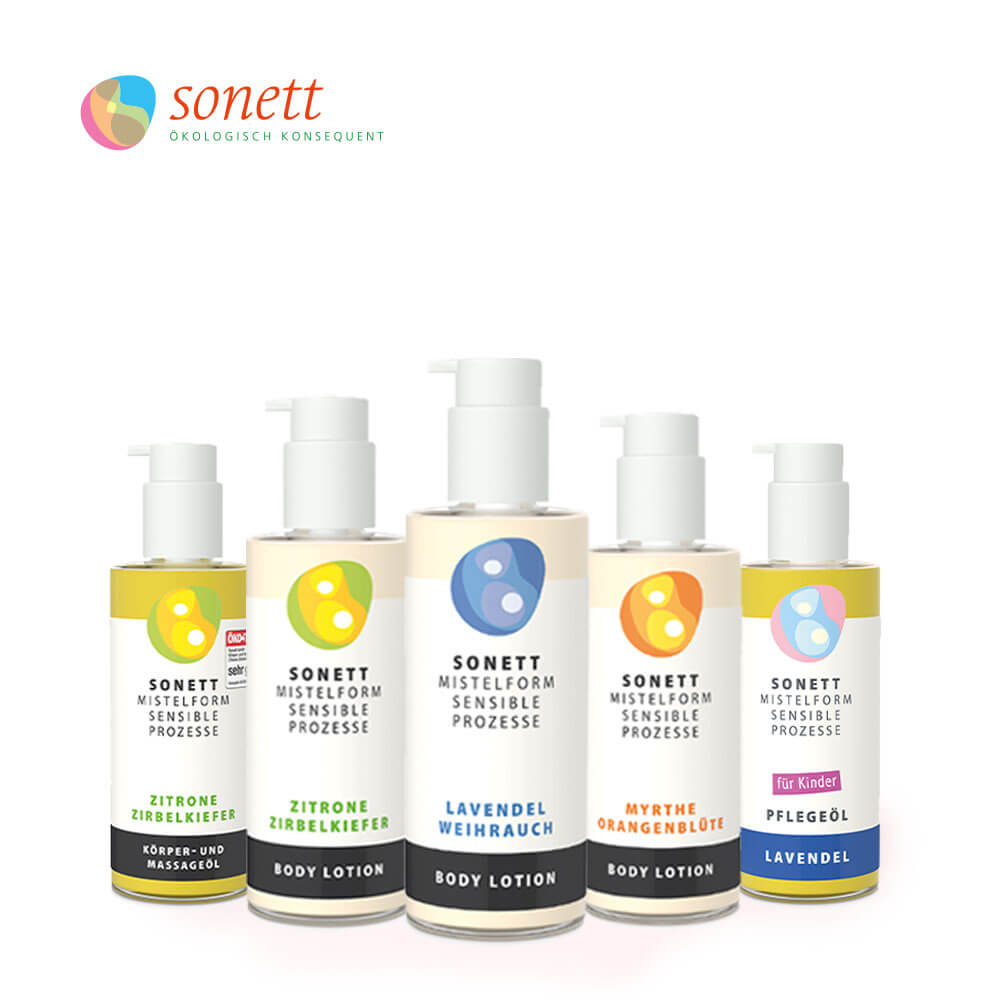
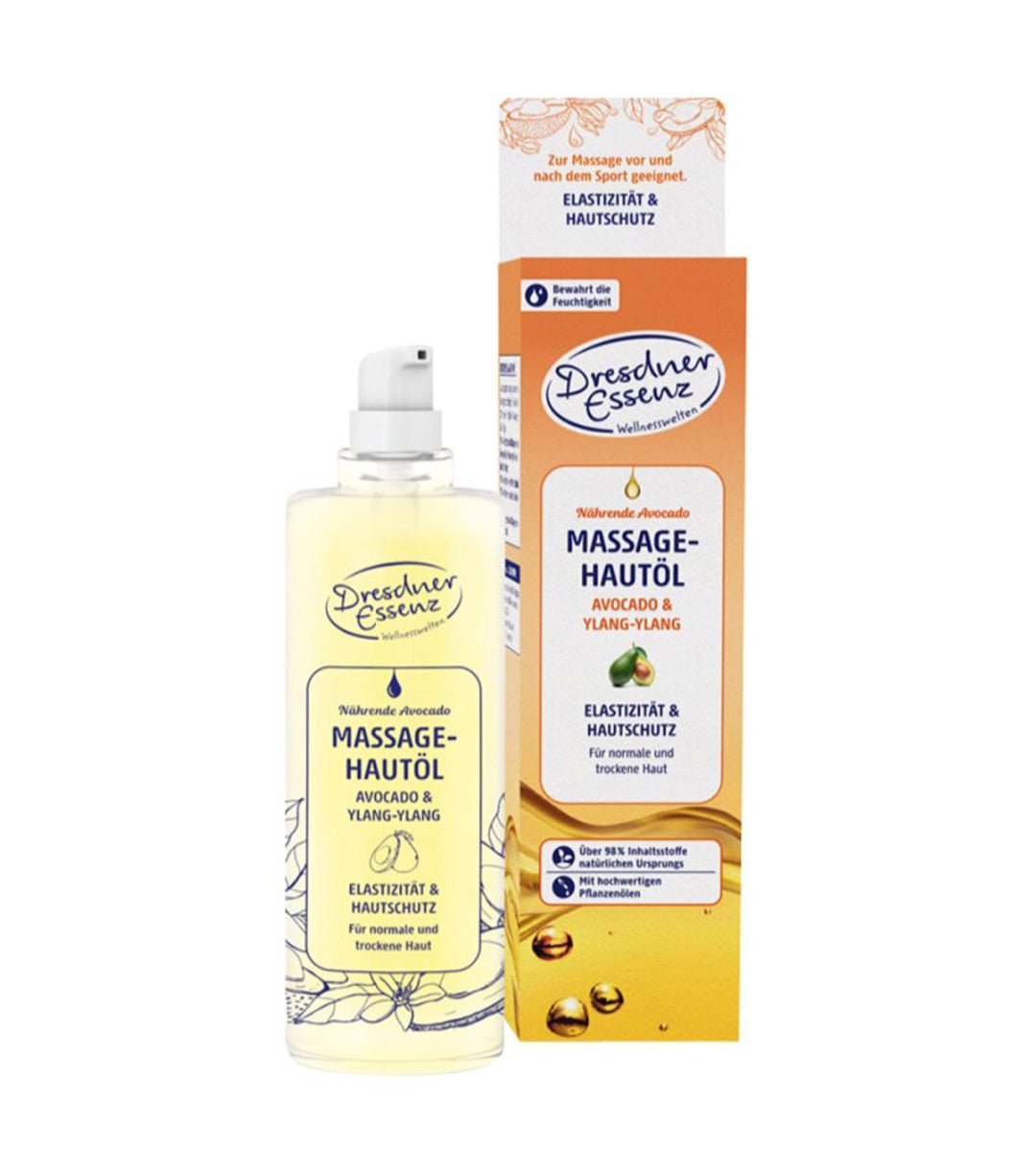
However, if you prefer to use ready-made massage oils, you can find them in our Massage Oils category.
Tips for proper storage and shelf life
Here are a few tips to help you store your homemade massage oil optimally and extend its shelf life:
-
Use dark bottles: Light can impair the quality of the oil. Dark glass bottles protect against UV radiation.
-
Cool storage: Store the oil in a cool place, ideally below 25 degrees Celsius, to preserve its freshness.
-
Avoid contact with air: Ensure that the bottle cap is always tightly closed to prevent oxidation.
-
Labeling: Write the production date on the bottle to keep track of its freshness.
-
Natural preservatives: Vitamin E or rosemary extract can act as antioxidants to extend shelf life.
-
Regular checks: Regularly check the oil for smell and consistency to ensure it is still good.
Follow these tips to enjoy your massage oil for a long time.
Application tips and techniques for massage
Preparation: Create a relaxing atmosphere by playing soft music and dimming the lights. Ensure the massage oil is at a comfortable temperature by warming it in your hands beforehand.
Massage techniques: Use gentle, flowing movements and work slowly from the extremities towards the heart. Use various massage techniques such as stroking, kneading, and pressing to loosen and relax the muscles.
Focus on problem areas: Concentrate on areas with tension or pain and massage them specifically with circular movements. Adjust the pressure as needed and communicate with your partner about their individual preferences and sensitivities.
Promote relaxation: Pay attention to your partner's breathing and encourage them to breathe deeply and evenly to deepen the relaxation. Avoid abrupt movements and ensure a smooth transition between massage strokes.
Rest period: Allow your partner to rest for a few minutes after the massage to deepen the effect and enjoy the relaxation. Offer them a glass of water to replenish lost fluids and stabilize their circulation.
With these application tips and massage techniques, you can enjoy a soothing and relaxing massage at home. Take your time to focus on the moment and strengthen your connection with your partner.
Summary and concluding thoughts
Making your own massage oil at home not only allows you to customize it to your personal preferences and needs, but also creates a unique opportunity to treat yourself or a loved one to something special. By using natural ingredients like base oils and essential oils, you can not only care for your skin, but also stimulate the senses and create an atmosphere of relaxation and harmony.
With the right knowledge of base and essential oils, and a few creative recipes, you can create your own massage oils and enjoy a soothing massage at home. Whether for relaxation after a stressful day, to promote well-being, or as a special gift for a loved one, homemade massage oils offer a multitude of ways to pamper the senses and let your mind unwind.
Unleash your creativity, experiment with different scents and textures, and let yourself be inspired by the diverse effects of essential oils. Enjoy the relaxing moments of massage and treat yourself and your loved ones to a break from everyday life.
However, if you prefer to use ready-made massage oils, you can find them in our Massage Oils category.



Leave a comment
All comments are moderated before being published.
This site is protected by hCaptcha and the hCaptcha Privacy Policy and Terms of Service apply.