


Understanding the causes of oily hair
Oily hair can be caused by various factors, often related to the natural function of our scalp. The main causes include:
-
Overproduction of sebum: The sebaceous glands on the scalp produce an oily secretion called sebum, which is meant to protect and moisturize the hair. However, in some people, sebum production is excessive, leading to oily hair.
-
Genetic predisposition: The tendency towards oily hair can be genetic. If parents or grandparents have oily hair, it is likely that their offspring will also inherit this trait.
-
Hormonal changes: Hormonal fluctuations in the body, such as those that occur during puberty, pregnancy or menstruation, can affect sebum production and lead to oily hair.
-
Excessive cleansing: Paradoxically, frequent washing and excessive cleansing of the hair can stimulate the sebaceous glands to produce more sebum to compensate for moisture loss. This can lead to a vicious cycle in which the scalp becomes increasingly oily.
-
Use of harsh products: The use of harsh shampoos or hair care products can disrupt the natural balance of the scalp and lead to an overproduction of sebum.
It is important to identify the individual causes of oily hair in order to take appropriate measures for treatment and prevention.
The right hair care routine for oily hair
Oily hair can be annoying, but with the right care routine, the problem can be managed. First, it's important to use a mild shampoo specifically designed for oily hair . Don't wash your hair too often, as this can stimulate sebum production. Once or twice a week is usually sufficient.
Another tip is to apply conditioner only to the ends of your hair to avoid weighing down your scalp. An occasional acidic rinse with diluted apple cider vinegar can also help to clarify the hair and remove residue.
Furthermore, home remedies like aloe vera gel or healing clay are known to act as natural sebum regulators. Apply them to your scalp, leave them on briefly, and rinse thoroughly. This supports your hair's natural balance without the use of harsh chemicals.
Which shampoo should I choose for oily hair?
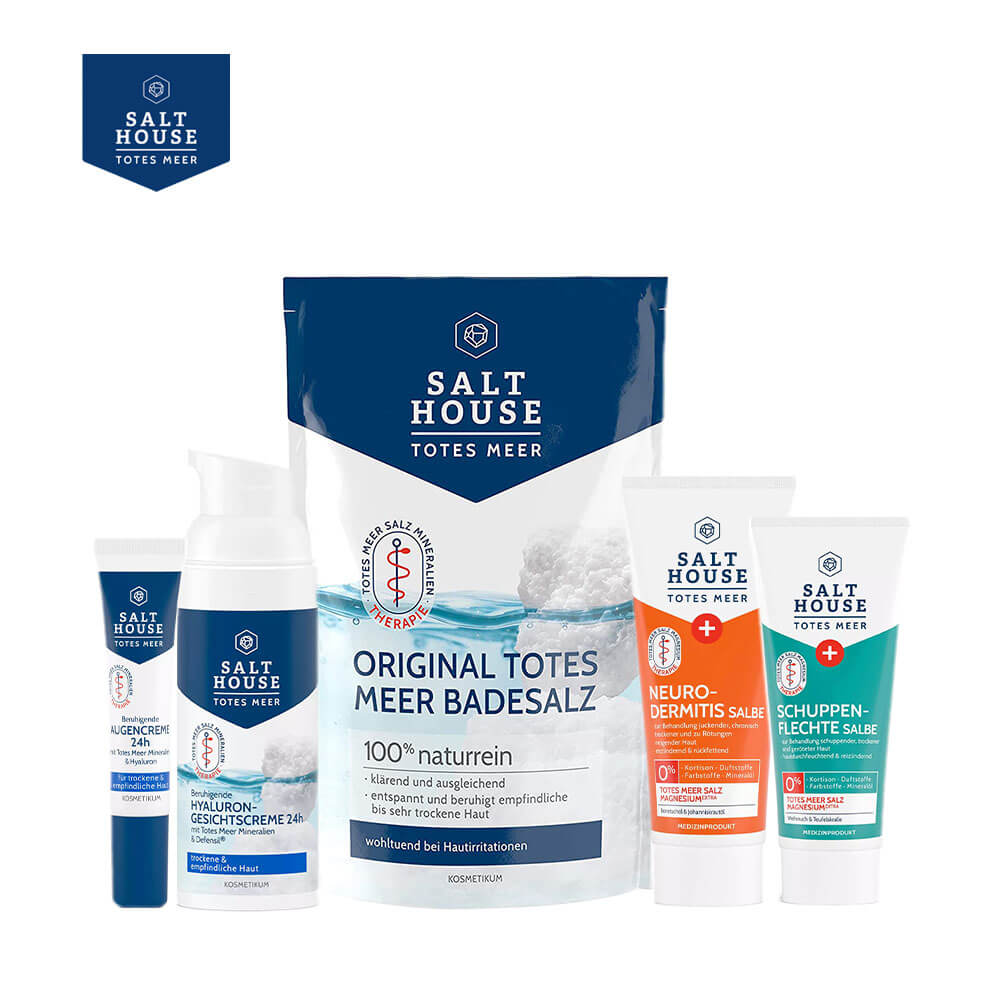
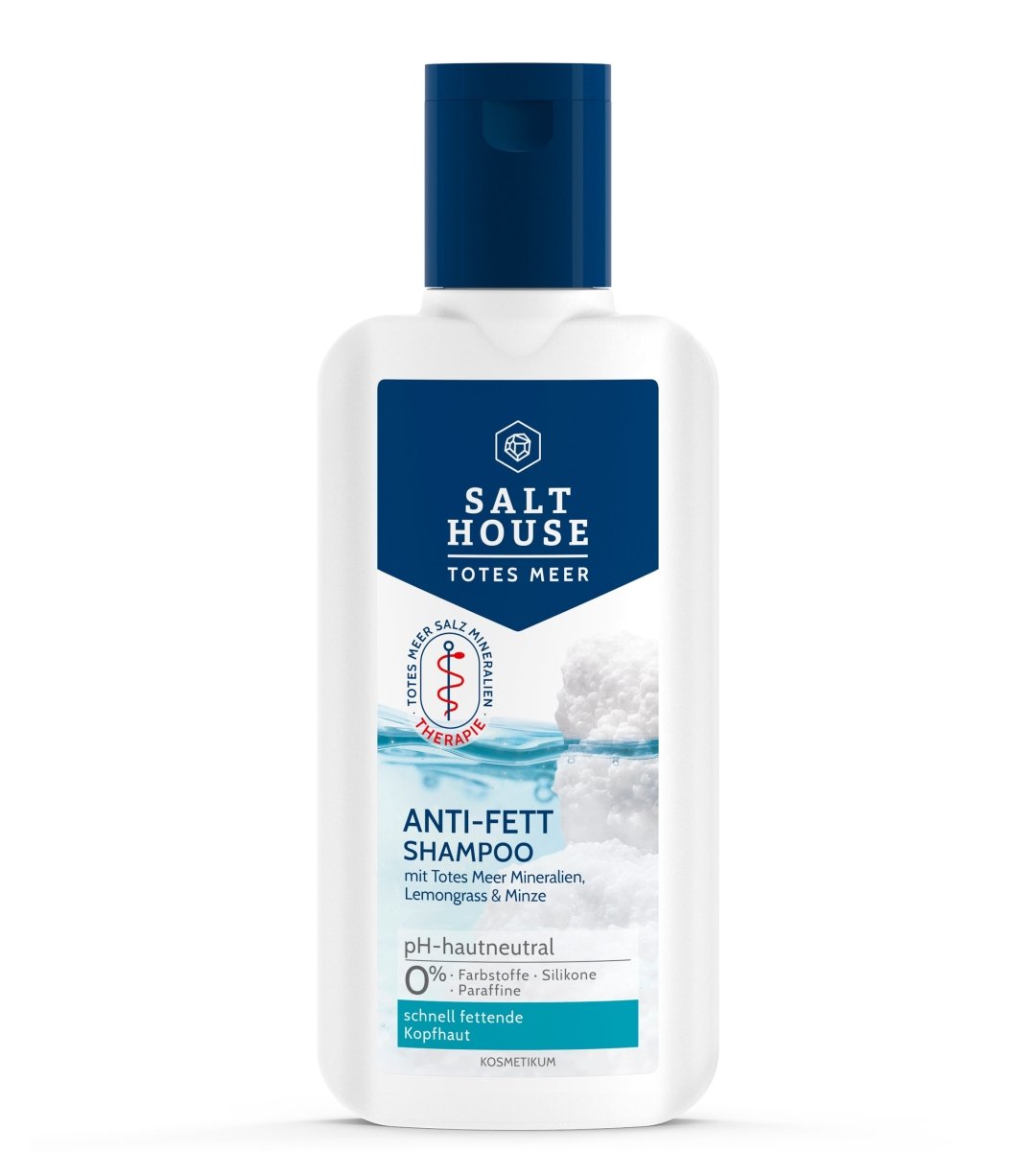
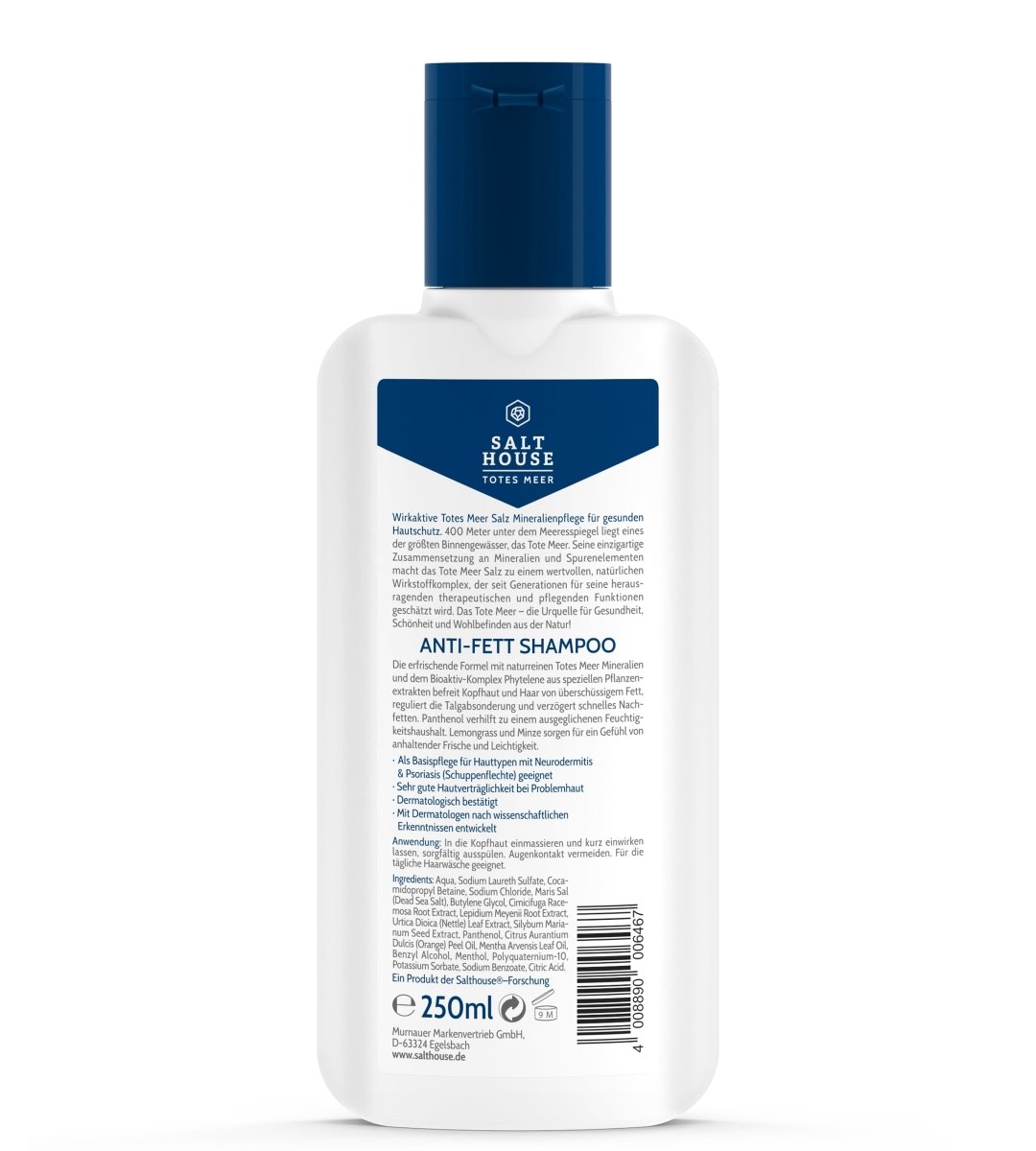
When choosing the right shampoo for oily hair, look for lightweight formulas specifically designed for daily use. Products with clarifying agents like tea tree oil or citrus extracts can help remove excess oil. Avoid shampoos with rich moisturizers, as they can weigh hair down and make it appear greasy faster. A mild shampoo with a balanced pH helps regulate sebum production. It's also a good idea to look for shampoos containing ingredients like salicylic acid, which exfoliates the scalp and unclogs pores of excess oil. If you'd like to save yourself a lot of searching, we recommend our Anti-Grease Shampoo from Salthouse.
Try home remedies for oily hair
When it comes to treating oily hair, home remedies offer a natural and gentle alternative to commercial products. Here are some effective home remedies that can help alleviate the problem:
-
Apple cider vinegar: Apple cider vinegar is known for its astringent properties, which can help remove excess oil from the scalp and clarify the hair. To use it, mix one part apple cider vinegar with two parts water and use the solution as a final rinse when washing your hair.
-
Tea tree oil: Tea tree oil has natural antibacterial and antiseptic properties that can help regulate sebum production and soothe the scalp. For example, add a few drops of tea tree oil to your shampoo or dilute it with water and gently massage it into your scalp.
-
Aloe Vera: Aloe vera gel has anti-inflammatory properties and can help soothe the scalp and regulate sebum production. Apply the gel directly to the scalp and leave it on for a few minutes before rinsing thoroughly.
-
Baking soda: Baking soda, also known as sodium bicarbonate, can remove excess oil from the scalp and thoroughly cleanse the hair. Simply mix some baking soda with water to form a paste and gently massage it into the scalp before rinsing thoroughly.
-
Green tea: Green tea contains antioxidants and astringents that can help regulate sebum production and clarify the scalp. Brew a cup of green tea, let it cool, and use it as a final rinse after shampooing.
These home remedies can help control oily hair and keep the scalp healthy and balanced. However, it's important to use them regularly and in combination with a proper hair care routine to achieve the best results.
Tips for proper nutrition and lifestyle
A balanced diet and a healthy lifestyle can help reduce oily hair. Make sure you get enough vitamins and minerals from fresh fruits and vegetables. Vitamins B2 and B6 are particularly important for regulating sebum production. Also, try to avoid highly processed foods and sugar, as these can stimulate sebum production.
Drinking enough water is also crucial for detoxifying the body and keeping skin and hair healthy. Stress can also lead to increased sebum production, so regular relaxation exercises and sufficient sleep are recommended.
Regular exercise promotes blood circulation and can therefore also improve the health of your scalp and hair. Stick to a healthy lifestyle – your hair will thank you.
Styling tips for oily hair
Styling oily hair can be challenging, but it's achievable with the right tips. First, avoid heavy styling products that can weigh your hair down. Instead, use lightweight mousses or sprays that add volume without stickiness. A high ponytail or a loose bun can lift the hair from the roots, making it appear less oily. Dry shampoo can also work wonders in styling by absorbing excess oil and providing more grip. Try not to touch your hair too often, as this can transfer oils from your hands to your hair. For everyday wear, loose waves created with a curling iron are also a great option to add texture and draw attention away from the roots.
How often should you wash your hair?
To manage oily hair, it's important not to wash it every day. Frequent washing stimulates sebum production and can worsen the problem. Try washing your hair every two to three days. Between washes, dry shampoo or home remedies like baby powder can help keep your hair fresh and absorb excess oil. Gently massaging your scalp while washing can also help regulate sebum production. Make sure to use mild shampoos without harsh ingredients to avoid further irritating your scalp.
When should you see a dermatologist?
If home remedies and tips for oily hair don't bring improvement, or if the scalp exhibits symptoms such as severe itching, dandruff, redness, or hair loss in addition to oiliness, a dermatologist should be consulted. Professional advice is also recommended if hormonal imbalances are suspected or if an underlying medical condition is suspected that could be causing the oily hair. A dermatologist can accurately diagnose the cause and recommend appropriate treatment.
Summary and concluding thoughts
Overall, oily hair is a common concern affecting many people. It can be both cosmetically and emotionally distressing, but with the right care and treatment, the symptoms can be effectively alleviated.
While commercial products often promise a quick fix, home remedies offer a natural and gentle alternative for controlling excess oil and clarifying the scalp. Apple cider vinegar, tea tree oil, aloe vera, baking soda, and green tea are just a few examples of effective home remedies that can help treat oily hair.
However, it's important to note that the effectiveness of home remedies can vary from person to person, and it may take some time to see noticeable results. Furthermore, a consistent hair care routine is crucial for maintaining healthy and balanced hair in the long term.
Ultimately, patience and perseverance are key when dealing with oily hair. With the right care and a positive attitude, you can keep your hair healthy and radiant, and boost your self-confidence.



Leave a comment
All comments are moderated before being published.
This site is protected by hCaptcha and the hCaptcha Privacy Policy and Terms of Service apply.